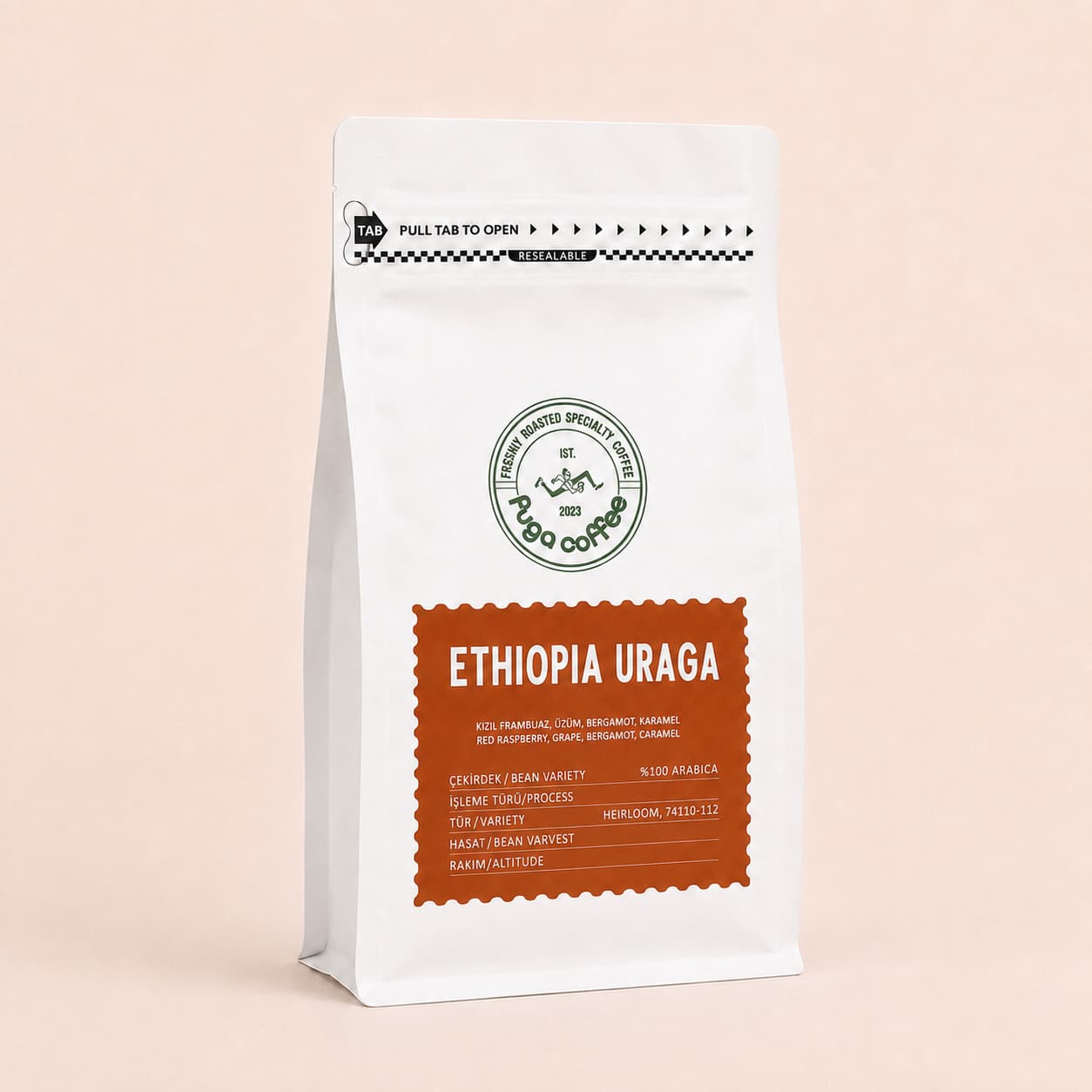
Light roast preserves more of the bean's original flavor profile than any other roast level. Fruity, floral, and bright acidic notes dominate, with citrus, berry, and jasmine aromatics in place of chocolate and caramel. It is the most popular roast level in specialty coffee.
Pour-over methods like V60 and Chemex are ideal for light roast — they showcase its bright, fruity character best. Use 94-96°C water and a 1:16 coffee-to-water ratio. It can also be used for espresso, but requires higher pressure and a finer grind.
Light roast preserves origin flavors (fruit, florals, acidity), while dark roast adds roast character (chocolate, caramel, bitterness). Light roast has marginally more caffeine. Dark roast is generally preferred for milk-based drinks, while light roast shines when drunk black.
Light roast coffee is roasted to or just past the first crack, at temperatures between 196-205°C. It has the lowest level of caramelization and the highest expression of origin character. Fruity, floral, and tea-like notes are hallmarks of a light roast profile.
Light roasting is the preferred profile in the specialty coffee world. The bean’s origin character — the influence of soil, climate, and variety — is most prominent at lighter roast levels. In darker roasts, these nuances are masked by roast-driven flavors like caramel, chocolate, and tobacco.
The defining feature of a light roast is bright, vibrant acidity. High-altitude Ethiopian and Kenyan coffees express their fruity character most vividly at a light roast. Jasmine, bergamot, red berry, and citrus — these are the signatures of quality light roast coffee.
Light roast coffee demands slightly more attention during brewing. Water temperature should be between 92-96°C, and brew time may need to be slightly longer than for darker roasts. Pour-over methods like V60 and Chemex are ideal companions for light roasts.
A common myth about caffeine deserves correction: light roast coffee contains marginally more caffeine than dark roast. The roasting process partially breaks down caffeine molecules as duration increases, but the difference is negligible in practice.
V60, Chemex, or Kalita Wave pour-over methods bring out the full complexity of light roast coffee.
93-96°C is ideal for light roasts. That is 2-3°C higher than for dark roasts, improving solubility.
If you are accustomed to dark roasts, ease into light roast territory with a medium-light profile first.
“Light roasting takes courage. There is no caramelization to hide behind — the bean’s quality is laid bare in the cup.”— Fuga Coffee Roasting Team