Free shipping on orders over 1,000 TLShipped within 48 hours of roast dateSpecialty grade SCA 80+ beansFree shipping on orders over 1,000 TLShipped within 48 hours of roast dateSpecialty grade SCA 80+ beans
Can Children Drink Coffee? Is Caffeine Harmful for Kids? | Fuga Coffee
Bilgi
Can Children Drink Coffee? Is Caffeine Harmful for Kids?
AuthorFuga Coffee4 min read
Can Children Drink Coffee? Is Caffeine Harmful for Kids?
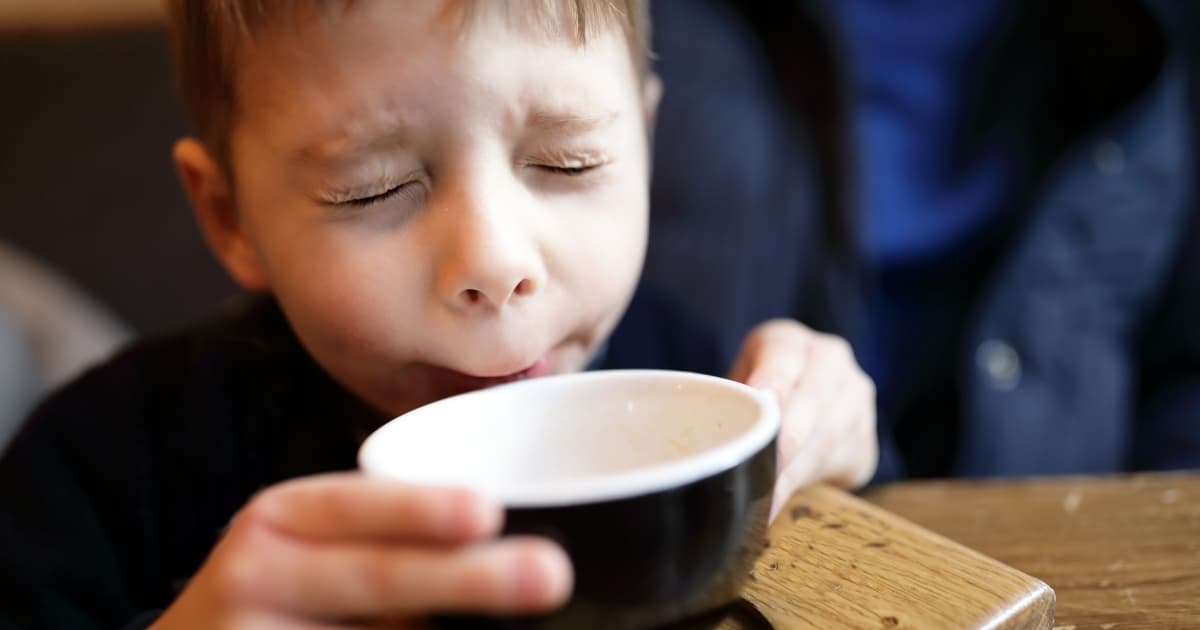
Coffee can be one of the most enjoyable daily rituals for adults. A filter coffee before starting the workday, a latte shared during a conversation with friends, or a short afternoon coffee break… But when it comes to children, the question needs to be asked more carefully: Can children drink coffee?
The short answer is: Coffee is not a recommended drink for children. The main reason is not coffee itself, but the caffeine it contains.
What Is Caffeine?
Caffeine is a stimulant naturally found in coffee, tea, cola, energy drinks, some chocolates, and certain ready-to-drink beverages. In adults, it may increase alertness, focus, and the feeling of energy. However, because children have lower body weight and their nervous system is still developing, they may experience the effects of caffeine more strongly than adults.
What may seem like “a small coffee” for an adult can be too much for a child.
Can Children Drink Coffee?
Regular coffee consumption is not recommended for children. Especially for children under the age of 12, caffeine intake should be limited as much as possible and should not become a routine habit.
For teenagers over the age of 12, caffeine does not necessarily have to be treated as completely forbidden, but the amount matters. Pediatric health sources suggest that caffeine intake for ages 12–18 should be limited to around 100 mg per day. This is an amount that can easily be exceeded with many coffee-based drinks.
The important point here is this: caffeine does not only come from coffee. Tea, cola, chocolate, iced coffee drinks, and energy drinks also contribute to total daily caffeine intake.
What Effects Can Caffeine Have on Children?
Excessive caffeine intake in children may be associated with:
Difficulty falling asleep Shorter sleep duration Restlessness and irritability A feeling of heart palpitations Headaches Stomach discomfort Increased feelings of anxiety Fluctuations in attention and behavior
Sleep is especially important. For children, quality sleep is essential for growth, learning, immunity, and emotional regulation. Caffeine may affect sleep even more when consumed later in the day.
What Is the Right Age to Start Drinking Coffee?
There is no single “ideal age” to start drinking coffee. However, the general approach can be:
Under 12 years old: Coffee is not recommended. If a child is curious about the taste of coffee, caffeine-free, milk-based, and unsweetened alternatives may be preferred; however, this still should not become a habit.
Ages 12–18: Caffeine intake should be limited. Total daily caffeine intake should be considered together with coffee, tea, cola, chocolate, and energy drinks. Energy drinks are not recommended for this age group.
Ages 18 and over: Caffeine tolerance varies from person to person. Even in adults, excessive consumption may cause issues such as sleep problems, heart rhythm sensitivity, anxiety, and stomach discomfort.
The Biggest Risk for Children: Energy Drinks
When talking about coffee, energy drinks should be considered separately. Energy drinks often contain not only caffeine, but also high amounts of sugar, different stimulating ingredients, and large serving sizes.
For this reason, energy drinks are not a safe alternative for children and teenagers. Even if a child is curious about coffee, the solution should not be energy drinks or high-sugar iced coffee beverages.
What If a Child Is Curious About the Taste of Coffee?
It is completely normal for children to be curious about what adults drink. At this point, an explanatory approach is healthier than a strict, prohibitive one.
For example, you can say:
“This drink contains caffeine. Caffeine can affect children’s sleep and heart rhythm. That’s why coffee is more suitable for adults.”
More suitable options for children in a café setting may include:
Warm milk Milk-based cocoa Fresh fruit drinks Caffeine-free, milk-based drink alternatives Water Low-sugar homemade lemonade-style drinks
The key is not simply telling a child “you cannot drink coffee,” but offering an age-appropriate drink experience.
Be Careful with Sugary Coffee Drinks
For children and teenagers, the risk is not only caffeine. Some coffee-based drinks served in cafés may contain syrup, cream, chocolate sauce, and high amounts of sugar. These drinks may be closer to dessert than coffee.
Therefore, if teenagers do consume coffee, simpler options should be preferred, and sugary large-sized drinks should not become a daily habit.
Conclusion: Coffee Enjoyment Is for Adults; Children Need More Suitable Alternatives
Coffee culture is a pleasant, social, and rich experience. However, for children, coffee — especially regular caffeine consumption — is not a recommended habit.
In summary:
Coffee and caffeinated drinks are not recommended for children under 12. Caffeine intake should be limited for ages 12–18. Energy drinks are not suitable for children and teenagers. Caffeine may cause sleep problems, restlessness, palpitations, and anxiety. Milk-based, caffeine-free, and low-sugar alternatives are better choices for children.
At Fuga Coffee, coffee is a carefully prepared experience for adults. For children, the best part of coffee culture is sitting around a pleasant table with family and being part of the moment with a drink that is suitable for their age.
References American Academy of Child and Adolescent Psychiatry — Caffeine and Children European Food Safety Authority — Scientific Opinion on the Safety of Caffeine Health Canada — Caffeine in Foods Mayo Clinic — Caffeine: How much is too much? Johns Hopkins Medicine — Is Coffee Bad for Kids?