Yes, professional machines offer more consistent temperature, pressure (9 bar), and steam power. Home machines have smaller boilers and less precise PID control. That said, a quality home machine from brands like Breville, Lelit, or Rancilio can get you very close to cafe-level results.
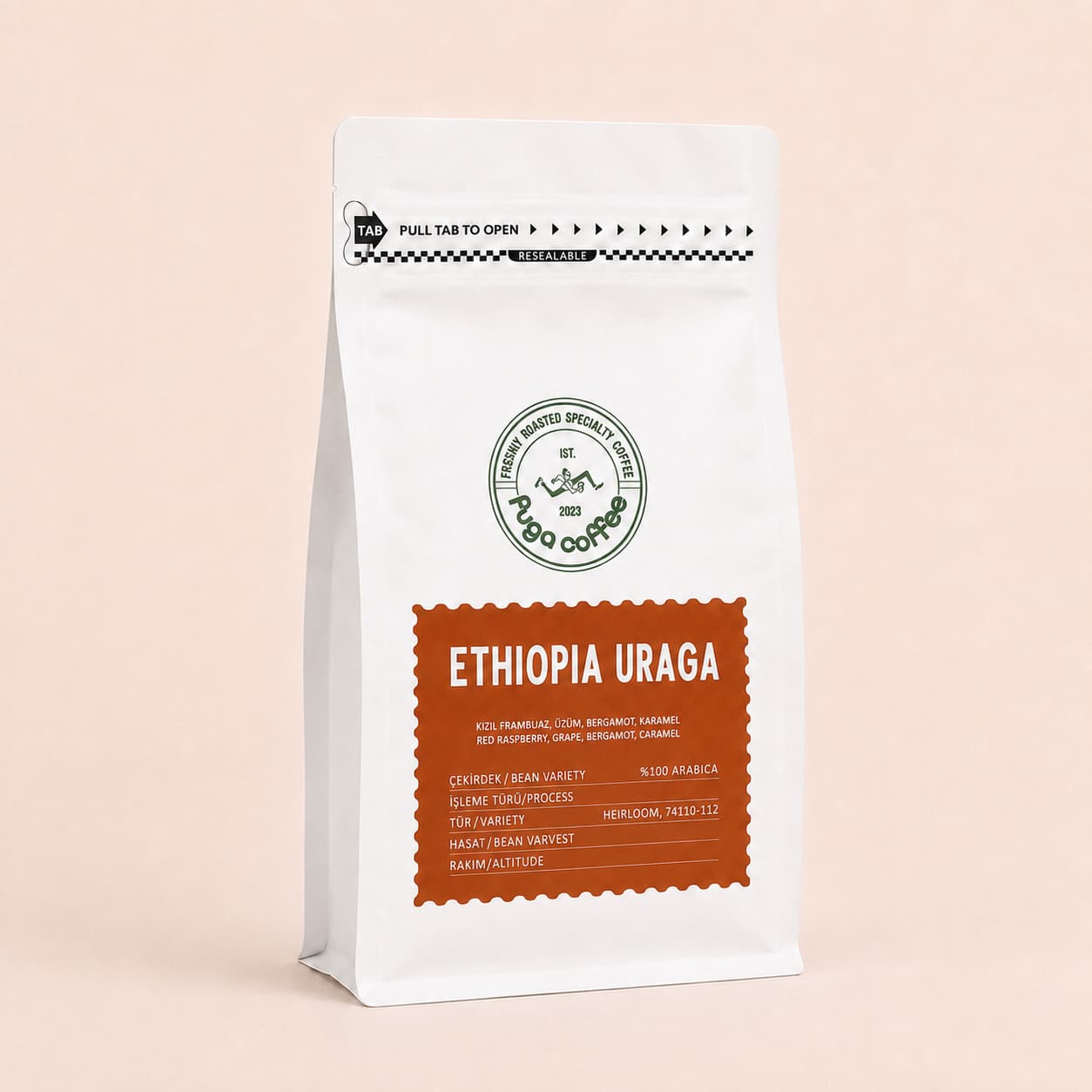
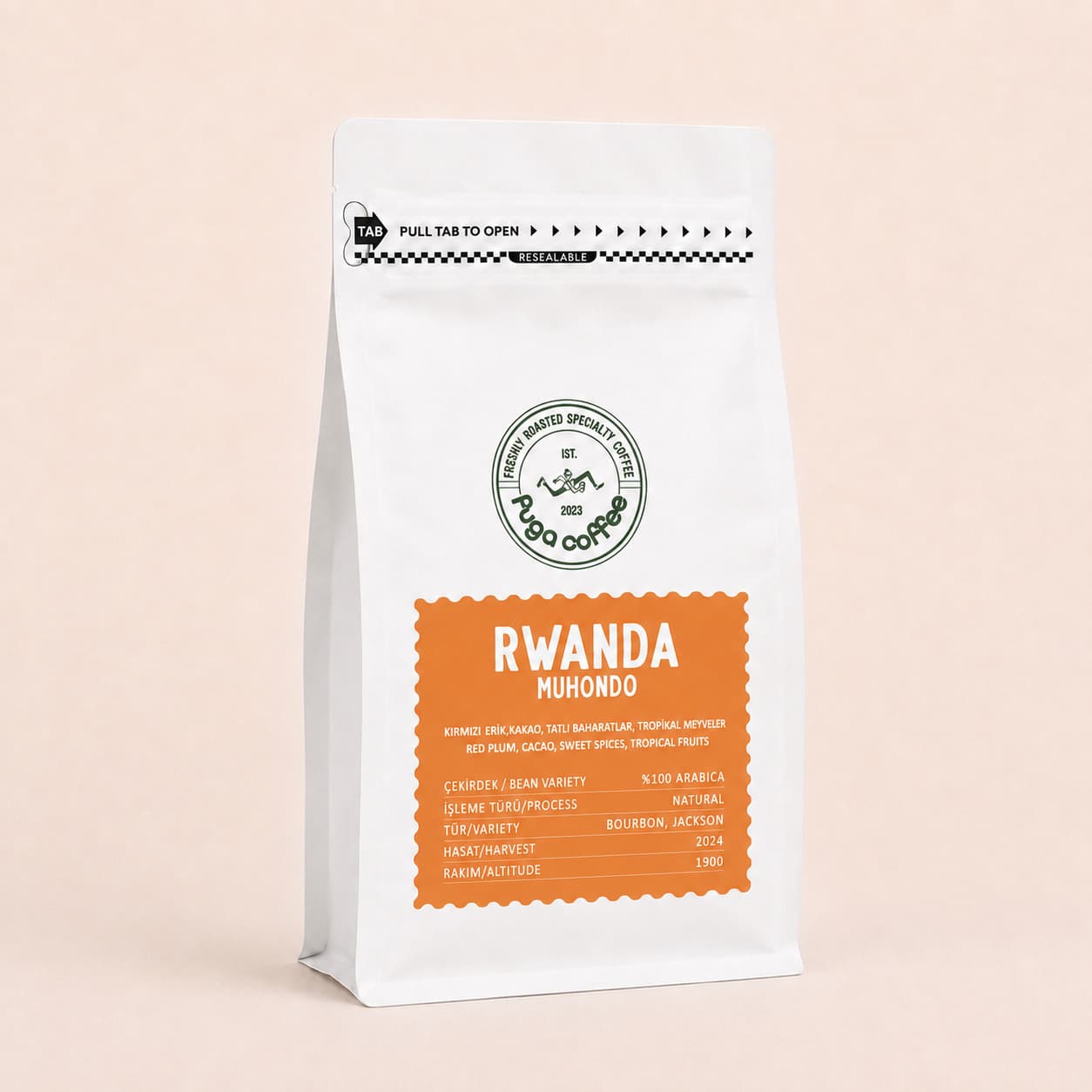
Blends offer a balanced, repeatable shot that pairs well with milk. Single origins let you explore unique flavor profiles but can be more acidic and fruity. We recommend blends for beginners and single origins for more experienced espresso drinkers.
Espresso beans perform best between 7 and 21 days after roasting. During the first few days, allow CO2 to degas from the beans. Within this window, crema quality, flavor balance, and body reach their optimal levels.
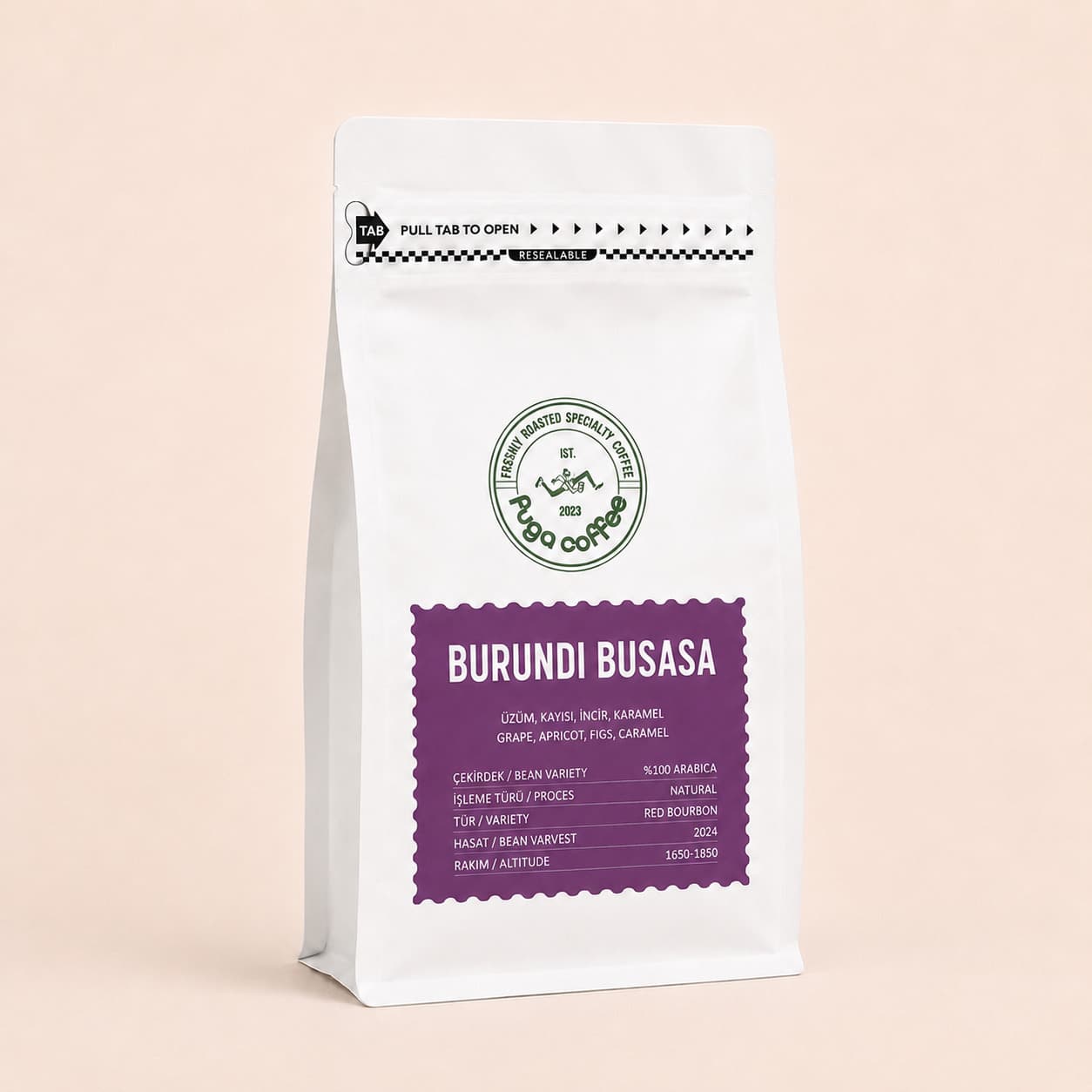
Espresso is a concentrated coffee beverage extracted at 9 bars of pressure through finely ground coffee in 25-30 seconds, yielding 25-40ml per shot. It forms the base for lattes, cappuccinos, americanos, and flat whites. Espresso-roasted blends are crafted for balanced body, sweetness, and milk compatibility.
Espresso is the most intense and technically demanding brewing method in the coffee world. At 9 bars of pressure, water passes through a tightly packed coffee bed, extracting a dense concentration of dissolved solids and oils. The result is a thick, aromatic shot crowned by a layer of crema.
Bean selection for espresso is critical. Medium-dark roasts and blends are typically preferred. The purpose of blending is to create a consistent, balanced flavor profile — combining the strengths of different origins to achieve a harmonious sweetness, body, and gentle acidity. Single-origin espresso is possible but generally recommended for more experienced palates.
Home espresso has become a major trend in recent years. However, a quality grinder is just as important as the espresso machine itself — perhaps even more so. Without a consistent, fine grind, even extraction under pressure is impossible. Channeling, where water carves paths through the coffee bed, is the most common problem and almost always stems from uneven grinding.
Precise, consistent grinding is non-negotiable for espresso. Without a quality burr grinder, your espresso machine cannot reach its potential.
If you are new to espresso, choose a blend. Single-origin espresso is more technically demanding and less forgiving.
If you plan to make milk-based drinks, taste your beans as a latte first. Milk compatibility is a distinct criterion from black coffee quality.
“In a great espresso blend, we look for three things: milk compatibility, consistency, and sweetness. In our Fuga blends, Brazil provides body, Colombia brings sweetness, and Ethiopia adds a subtle fruity dimension.”— Fuga Coffee Roasting Team