Yes, filter coffee is one of the healthiest brewing methods. Paper filters trap coffee oils like cafestol and kahweol that can raise cholesterol. Drinking 3-4 cups of filter coffee per day has been associated with reduced risk of heart disease and type 2 diabetes.
Filter coffee is a broad term covering any method that uses a paper or metal filter. Pour-over drippers (V60, Kalita, Melitta) are a subcategory of filter coffee. Automatic drip machines also make filter coffee but are not considered pour-over.
Soft tap water or filtered water is ideal. The TDS (Total Dissolved Solids) should be between 75-150 ppm. Pure water from reverse osmosis is too flat and cannot extract flavor properly. Very hard water causes mineral buildup and overpowering mineral tastes.
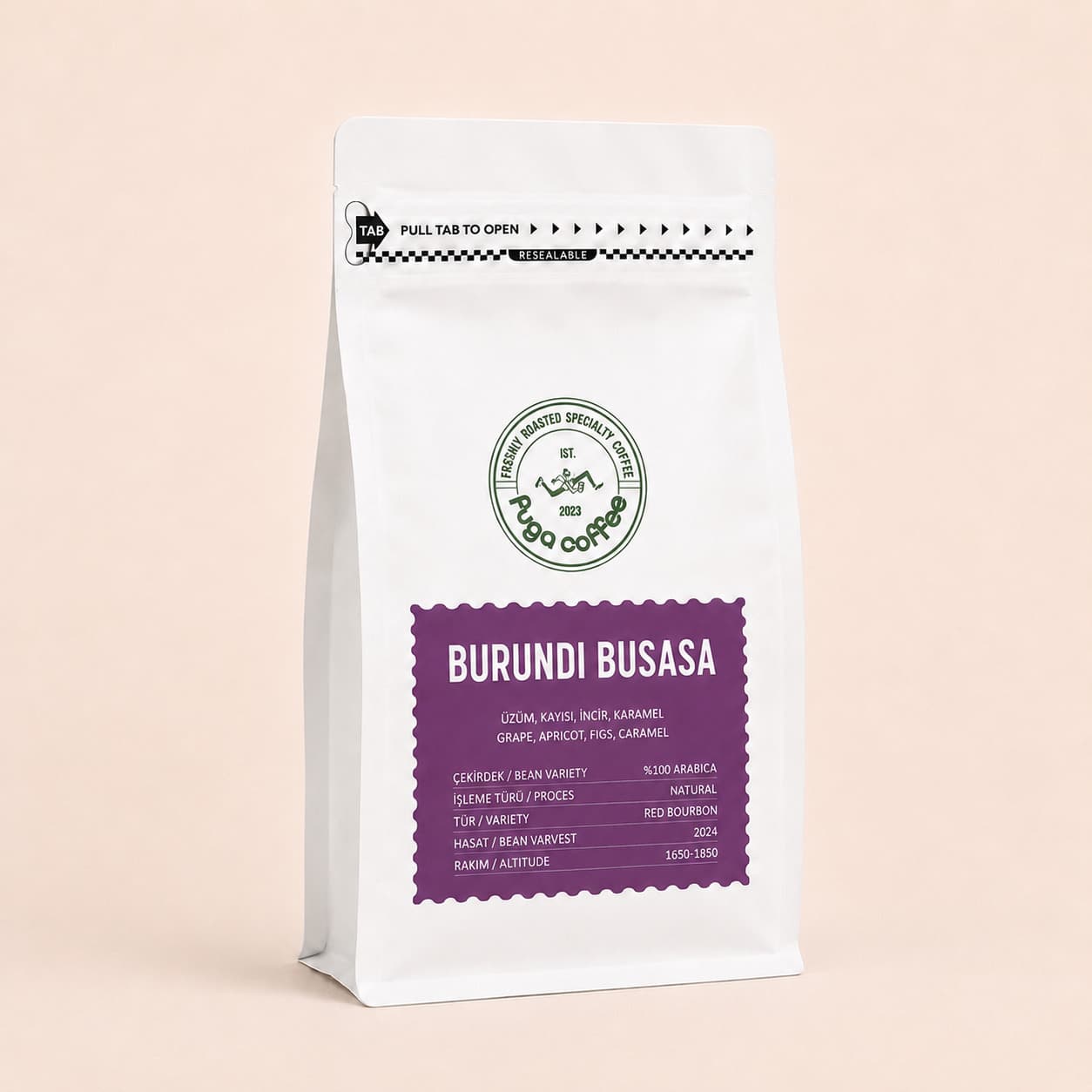
Filter coffee is brewed by gravity through a paper or metal filter. Pour-over tools such as V60, Chemex, Kalita Wave, and Melitta fall under this category. Paper filters trap coffee oils, producing a clean, bright cup that showcases origin character. It is the most common brewing family in specialty coffee.
Filter coffee is the cornerstone of specialty coffee culture. Pour-over methods reveal terroir character — the imprint of soil, climate, and processing — in its purest form. This is why single-origin coffees are most often recommended for filter brewing.
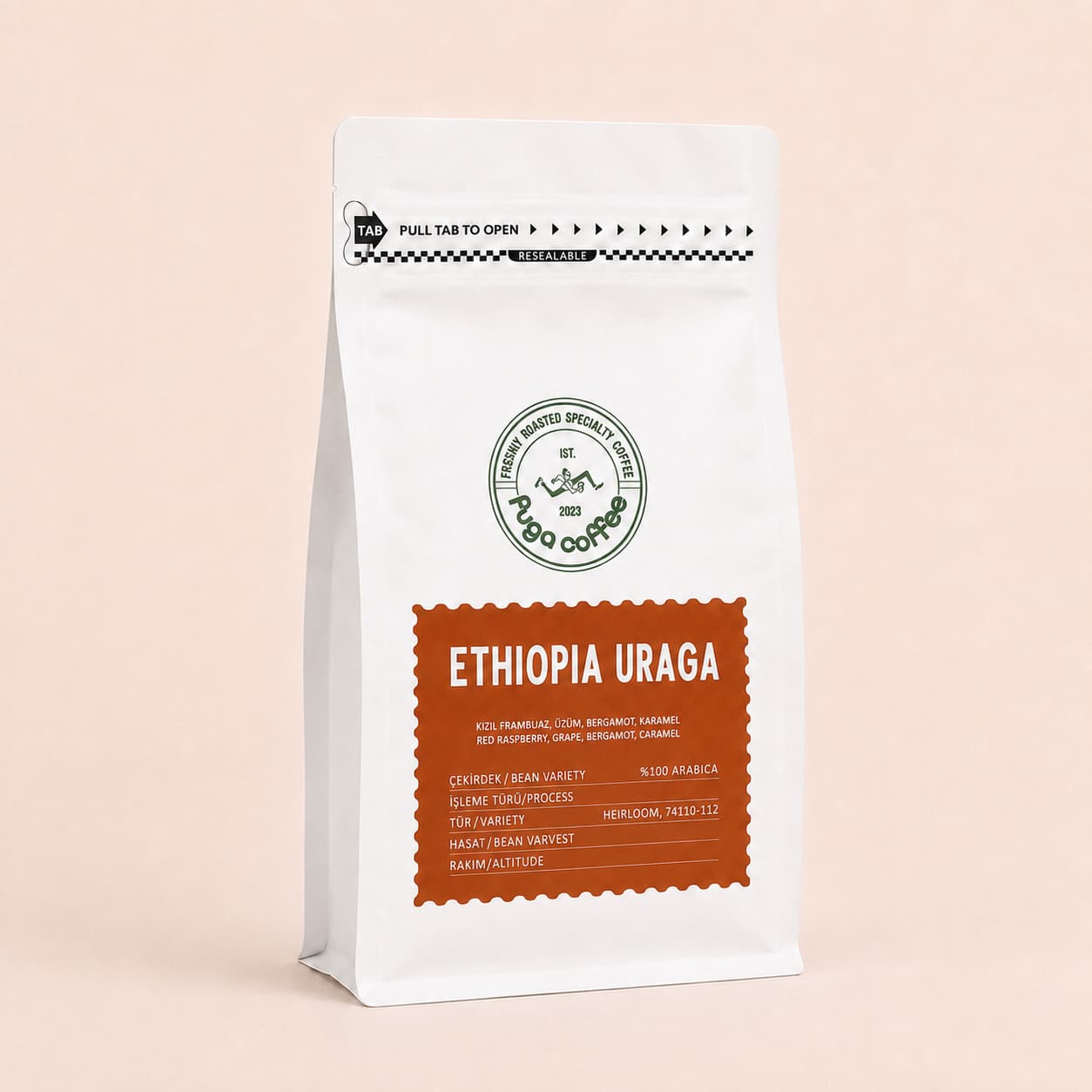
The defining effect of a paper filter is that it traps coffee oils (cafestol, kahweol) and micro-fines. The result is a clear, transparent cup where delicate floral and fruit notes from light-roasted Ethiopian, Kenyan, or Costa Rican beans emerge with crystalline clarity.
Within the filter coffee family, your choice of brewer matters. The V60 gives the user full control over flow rate and demands technique. The Chemex, with its extra-thick filter, delivers an ultra-clean profile. The Kalita Wave, with its flat-bottom design, is more forgiving and consistent. Each brewer produces a different cup from the same beans — and discovering these differences is one of the great pleasures of specialty coffee.
Medium grind — roughly table salt consistency — is ideal for most pour-over methods. Too fine drifts toward espresso territory; too coarse resembles French Press.
Aim for 92-96°C (197-205°F). Boiling water scorches the coffee, while tepid water leads to under-extraction and sour flavors.
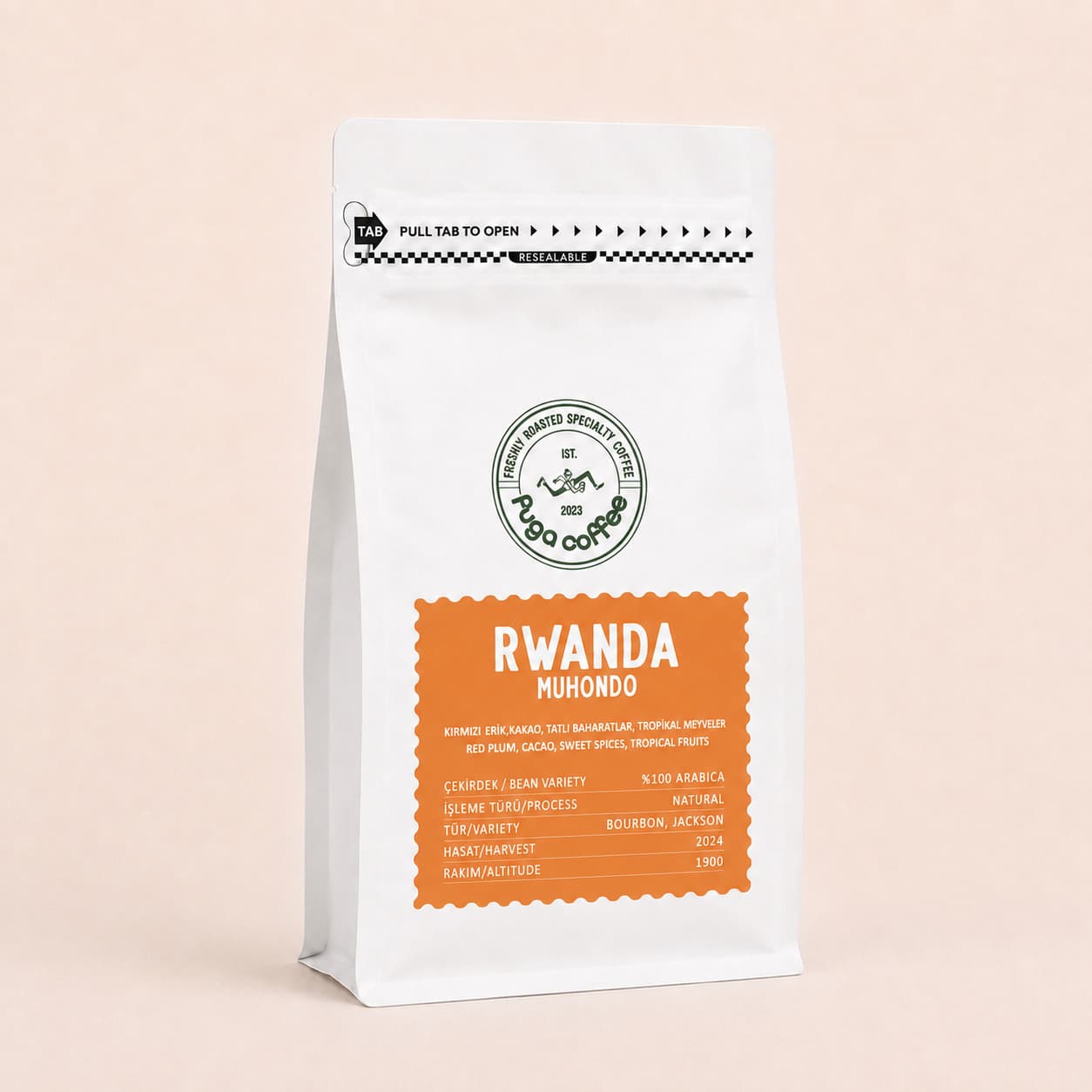
Filter methods highlight the origin character of light and medium roasts. Dark roasts can taste harsh and overly bitter when brewed this way.
“Filter coffee tells the story of its origin. Where it was grown, how it was processed, when it was roasted — you can read it all in your cup. No other method offers this level of transparency.”— Fuga Coffee Brewing Team