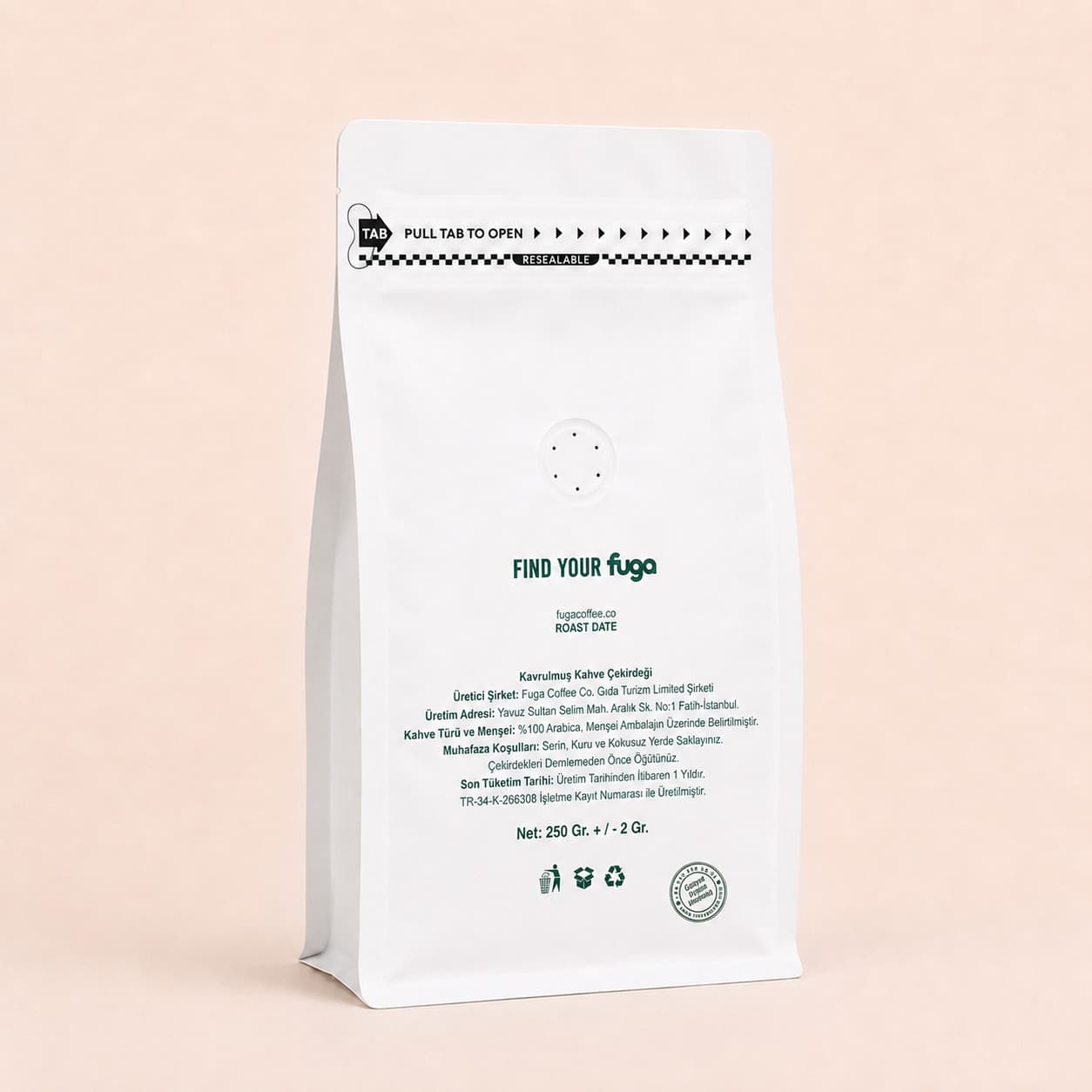
No, they are different concepts. Organic certification addresses agricultural practices (pesticide and chemical fertilizer use), while specialty grade measures taste quality (SCA 80+ score). Many specialty coffees come from small farms that use natural methods even without formal organic certification. The two can overlap but are independent.
Organic coffee has an advantage regarding pesticide residue risk. However, coffee's health benefits (antioxidants, metabolism boost, focus) are more closely tied to roast quality and freshness. Freshly roasted specialty coffee — whether organically certified or not — is far superior to stale supermarket coffee.
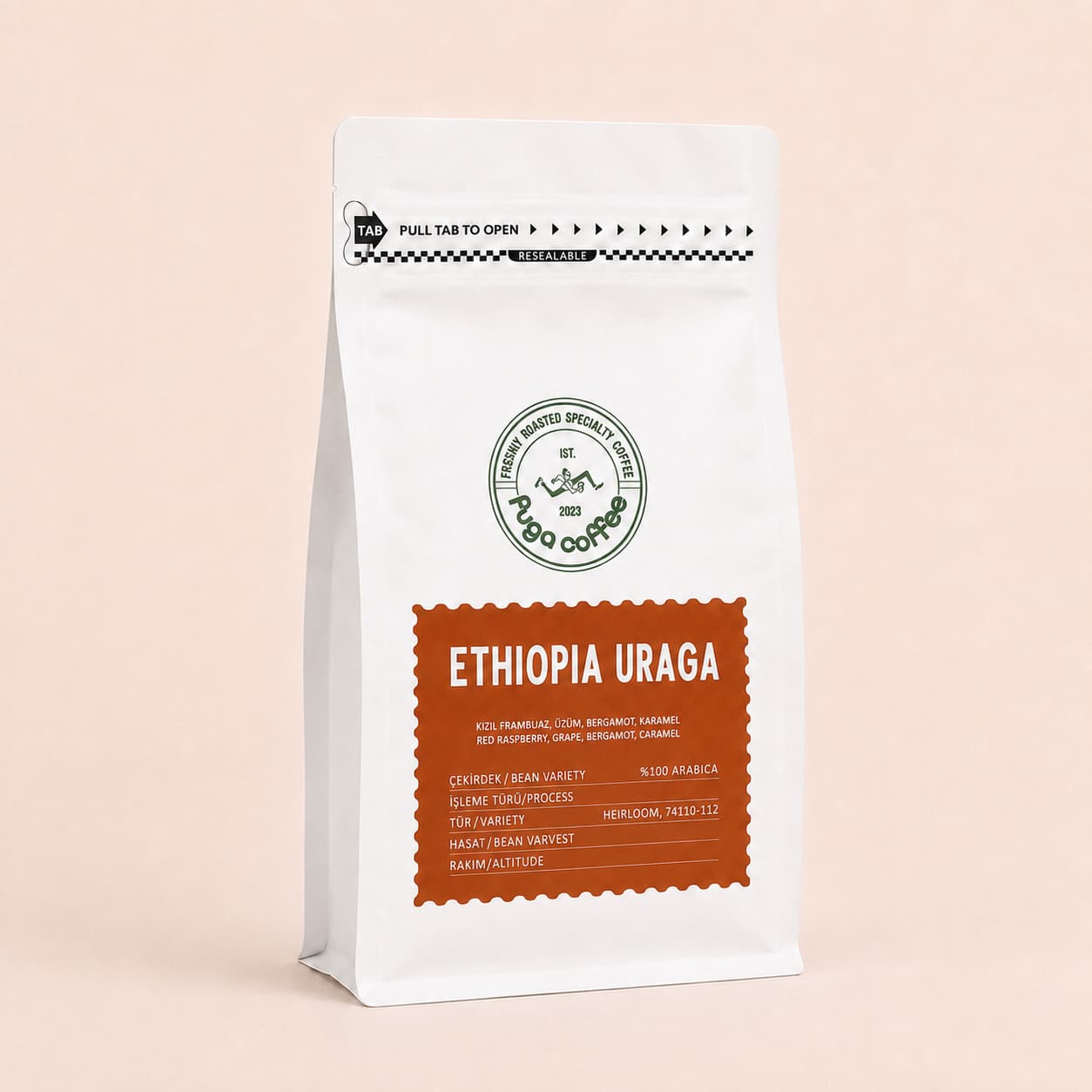
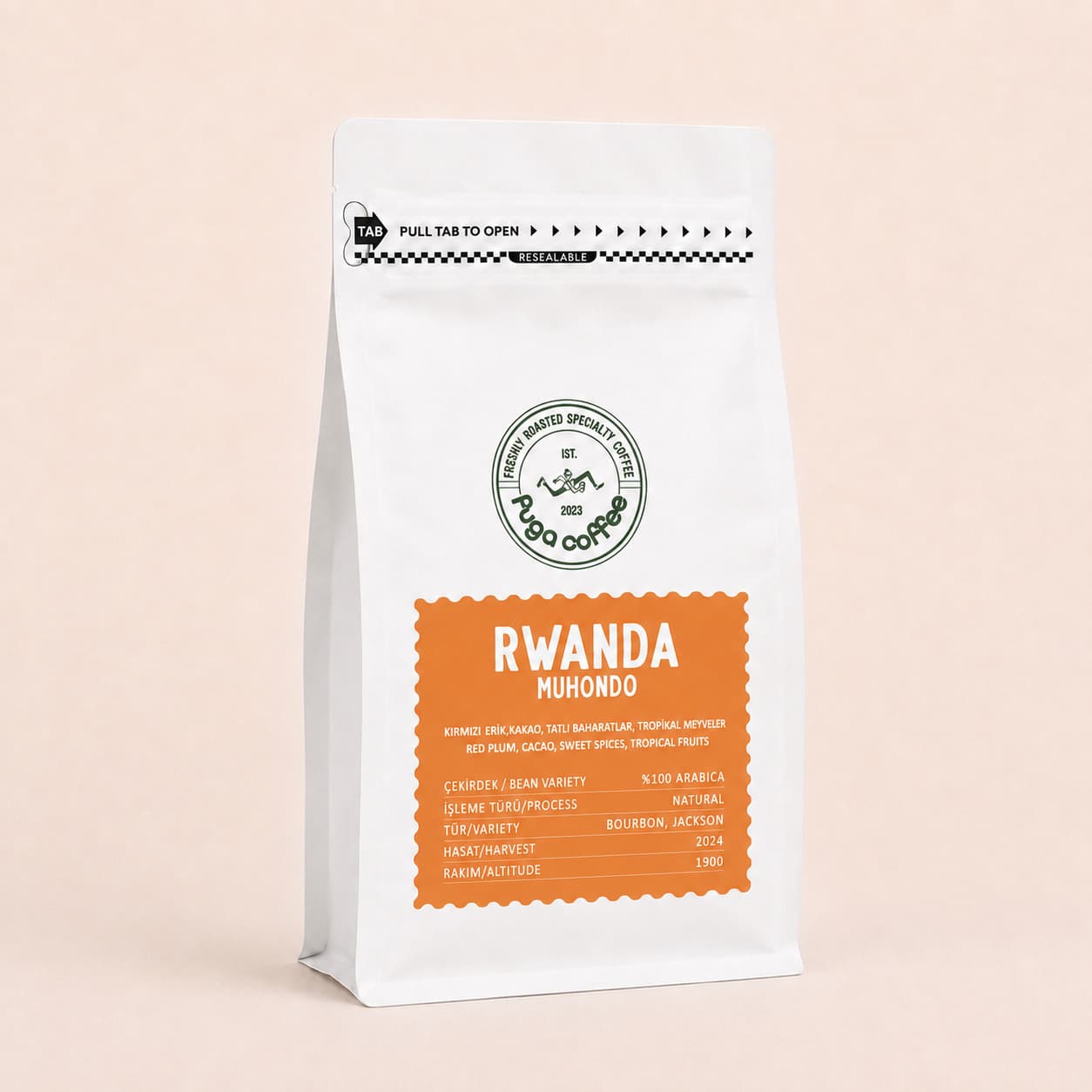
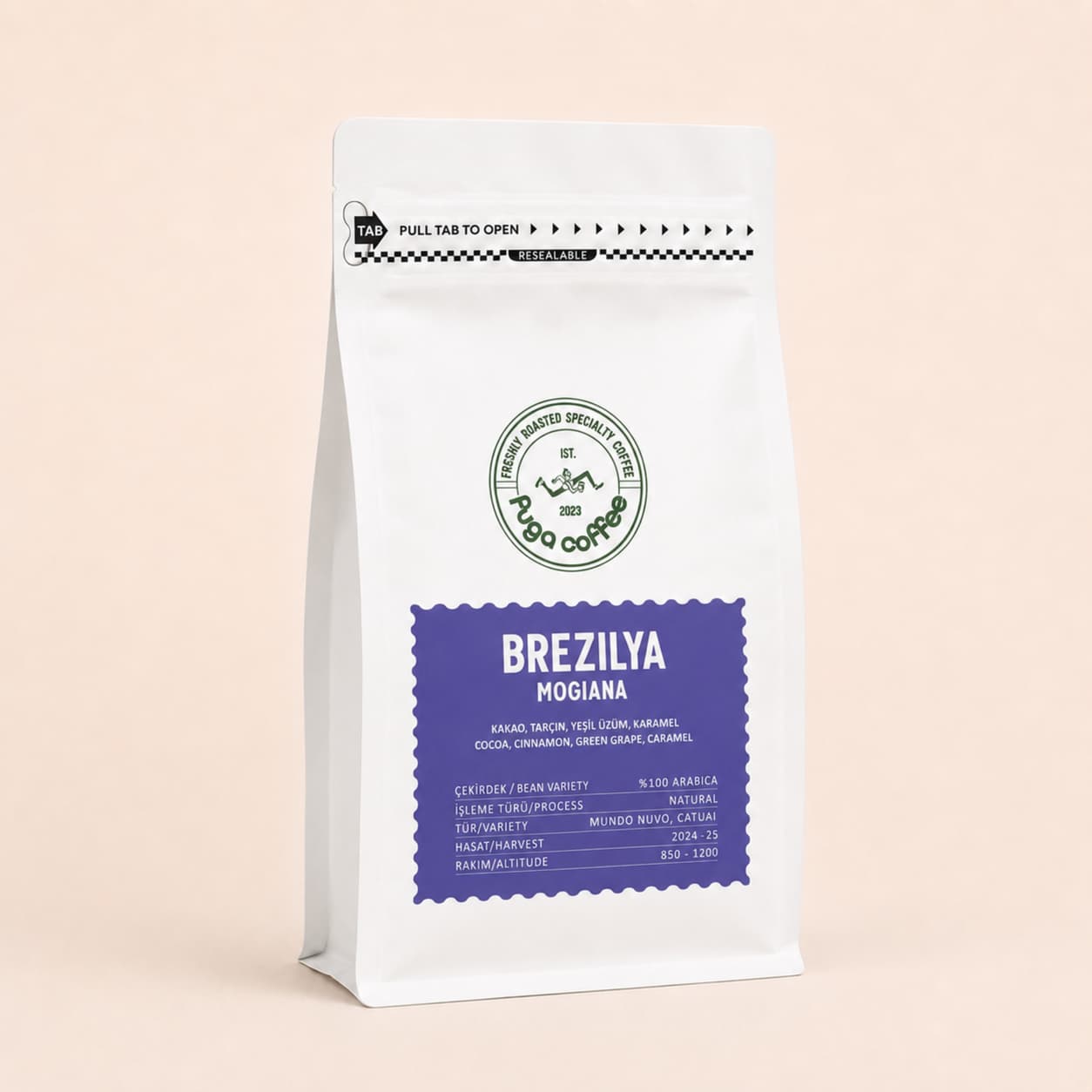
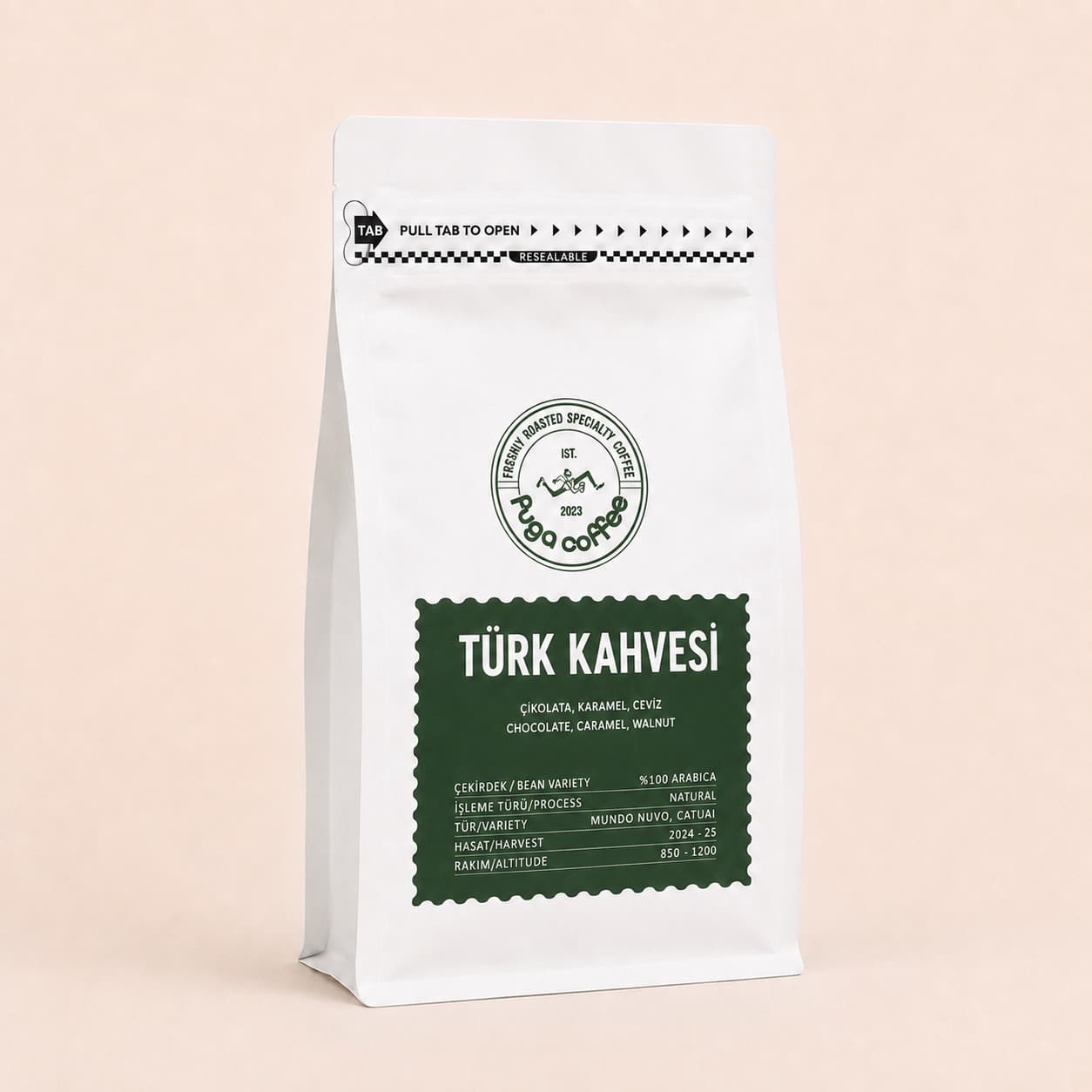
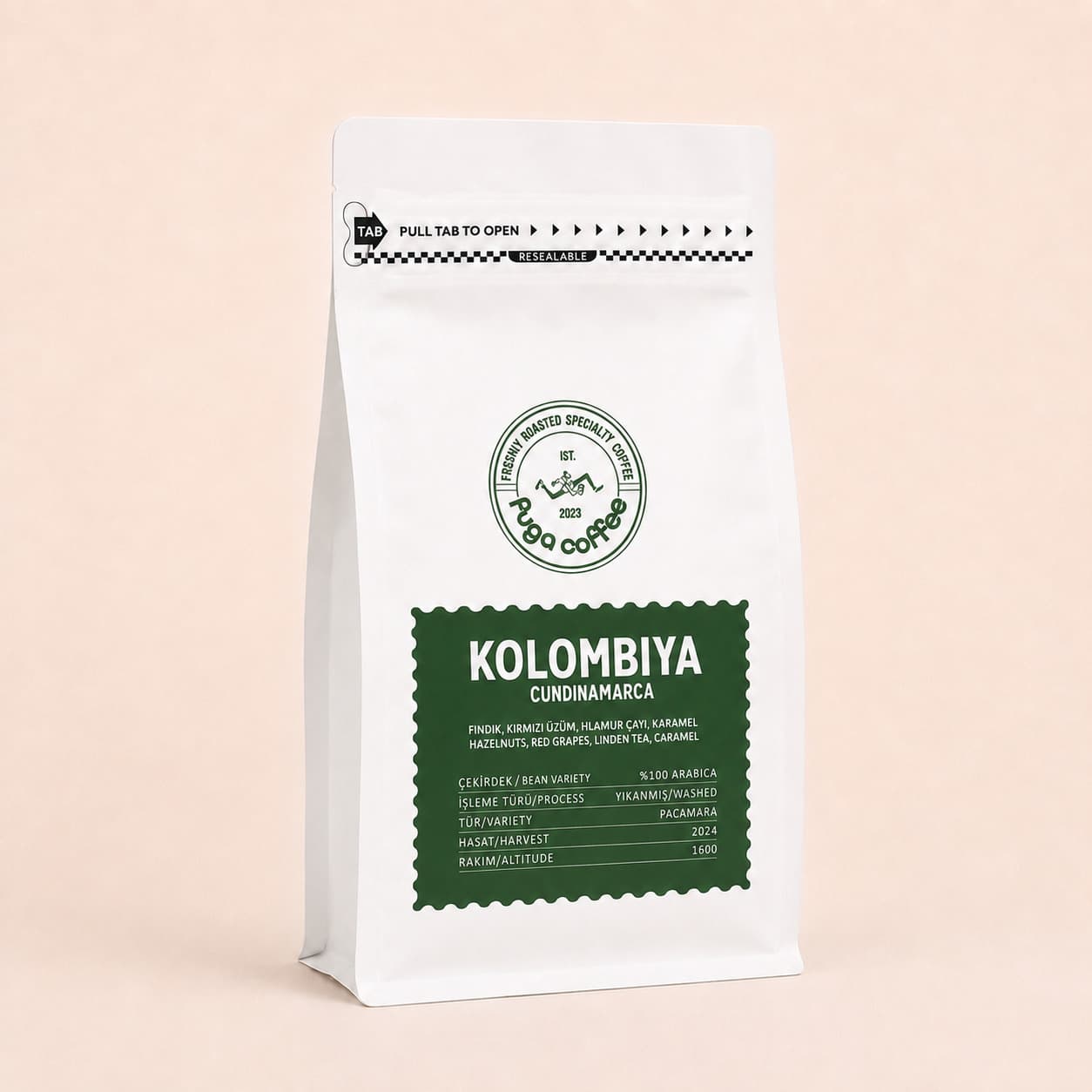
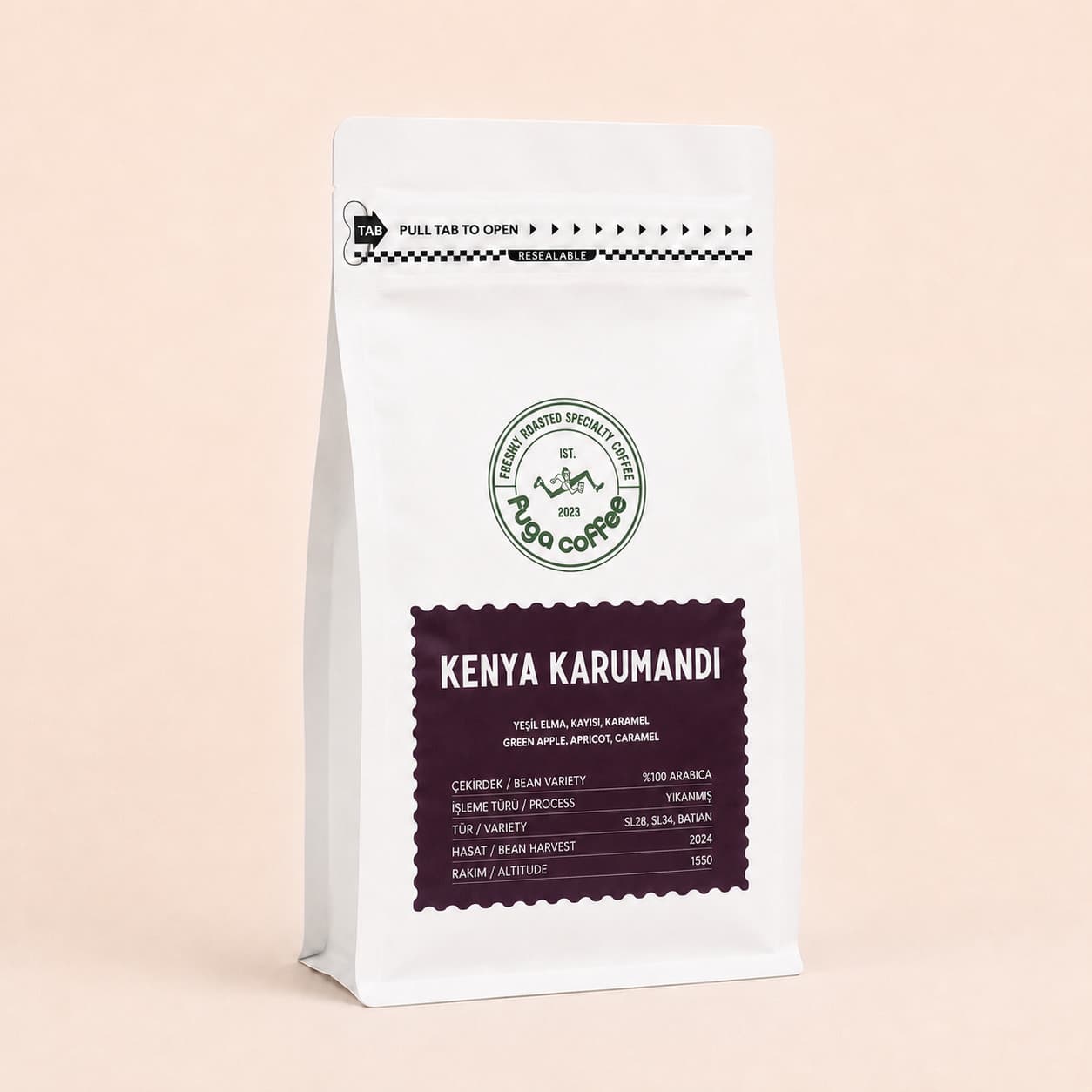
Fuga Coffee's specialty coffees are sourced from small-scale farms, and most are grown using natural agricultural methods. Formal organic certification is costly for small producers, so it is not always available. However, our supply chain is fully traceable and quality-focused.
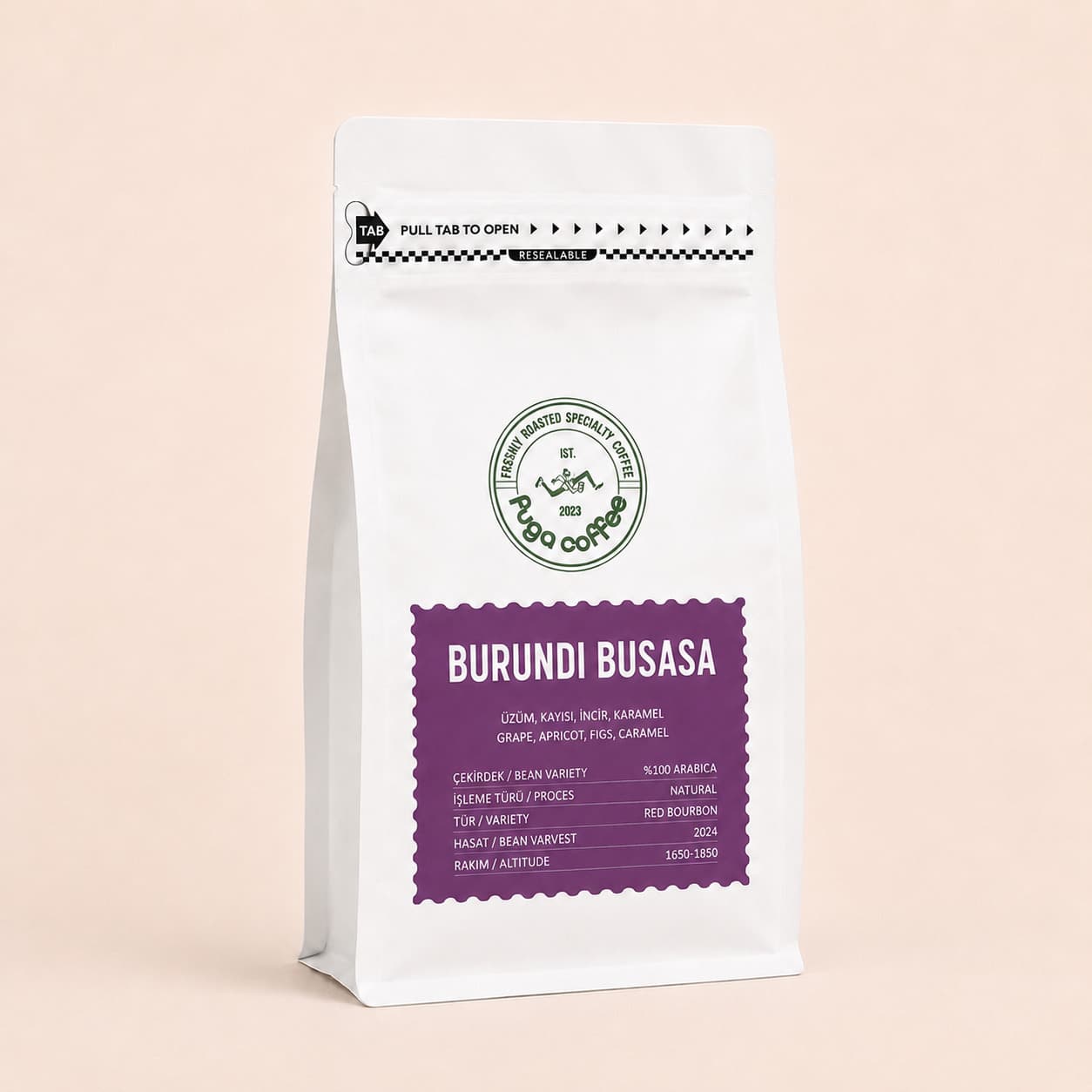
Organic coffee is grown without synthetic fertilizers or chemical pesticides, using natural farming methods. The vast majority of specialty coffee farms are small-scale, traditional producers. All Fuga Coffee beans are grown using natural cultivation methods and are carefully selected for quality.
Organic coffee production is rooted in cultivating the coffee plant within its natural ecosystem — under shade trees, in environments where biodiversity is preserved. This approach is especially common in Ethiopia, Peru, and Honduras, where smallholder farmers have maintained traditional techniques for generations.
In the specialty coffee sector, organic certification is not always an indicator of quality. Many small-scale farms use fully organic methods but cannot afford the cost of formal certification. What matters most is knowing how the bean was grown and processed.
Fuga Coffee works through direct trade and micro-lot purchasing. Every bean’s farm information, processing method, and origin details are shared transparently. The natural processing method involves drying the whole coffee cherry in the sun — no water, no chemical intervention.
In washed processing, the bean is separated from the fruit and fermented in clean water. Both methods yield a result that is a pure reflection of the soil and climate where the coffee grew.
Focus on farm details, regional information, and processing methods rather than just an organic label.
Natural (dry) processing involves sun-drying the whole cherry without water or chemicals — the purest organic experience.
Specialty roasters typically source from small-scale farmers who practice natural agriculture by tradition.
“An organic certificate is just a piece of paper. What truly matters is knowing the farmer, understanding the soil, and evaluating the quality in the cup.”— Fuga Coffee Roasting Team