The French Press uses a metal mesh filter that cannot trap very fine particles. This is completely normal and expected. To minimize sediment, use a coarse grind and avoid drinking the last sip. If you want a completely clean cup, switch to a pour-over method.
Yes, a French Press works wonderfully for brewing tea — loose leaf, herbal, or fruit tea. However, we recommend using separate French Presses for coffee and tea, since residual coffee oils can affect the taste of your tea.
French Press coffee contains roughly 80-135 mg of caffeine per cup. This is slightly less than drip coffee (95-165 mg) but more than a single espresso shot (63-80 mg). The longer steeping time increases caffeine extraction, reaching optimal levels at around 4 minutes.
French Press coffee is an immersion brewing method using a metal filter that produces a full-bodied, oil-rich cup. Coarsely ground beans steep in hot water for 4 minutes before being separated by pressing the plunger. Because coffee oils pass freely through the metal mesh, the result is a creamy texture and a rich, satisfying flavor.
The French Press is one of the most widely used and accessible brewing methods in the world. It requires no special technique or expensive equipment — just coarsely ground coffee, hot water, and 4 minutes of patience.
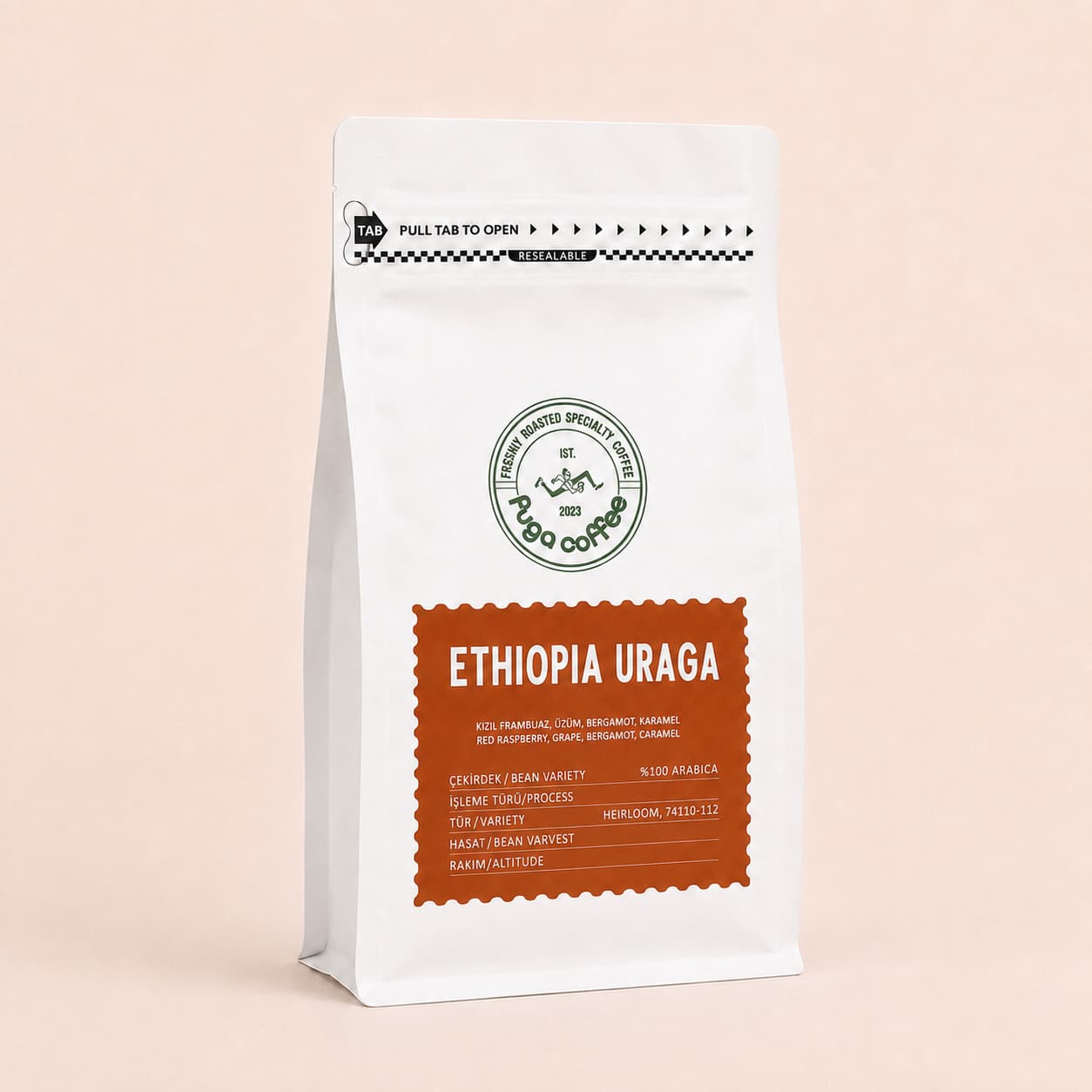
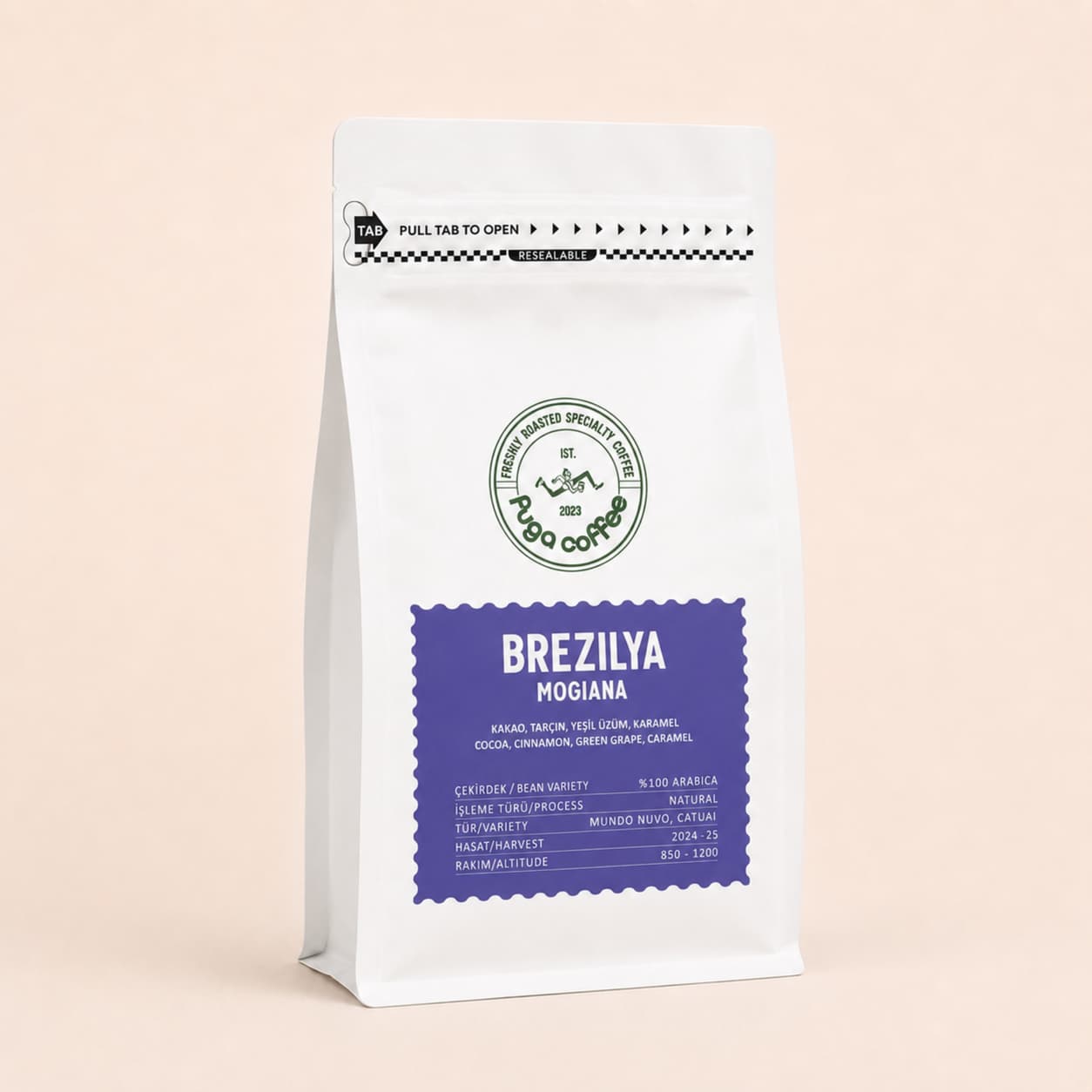
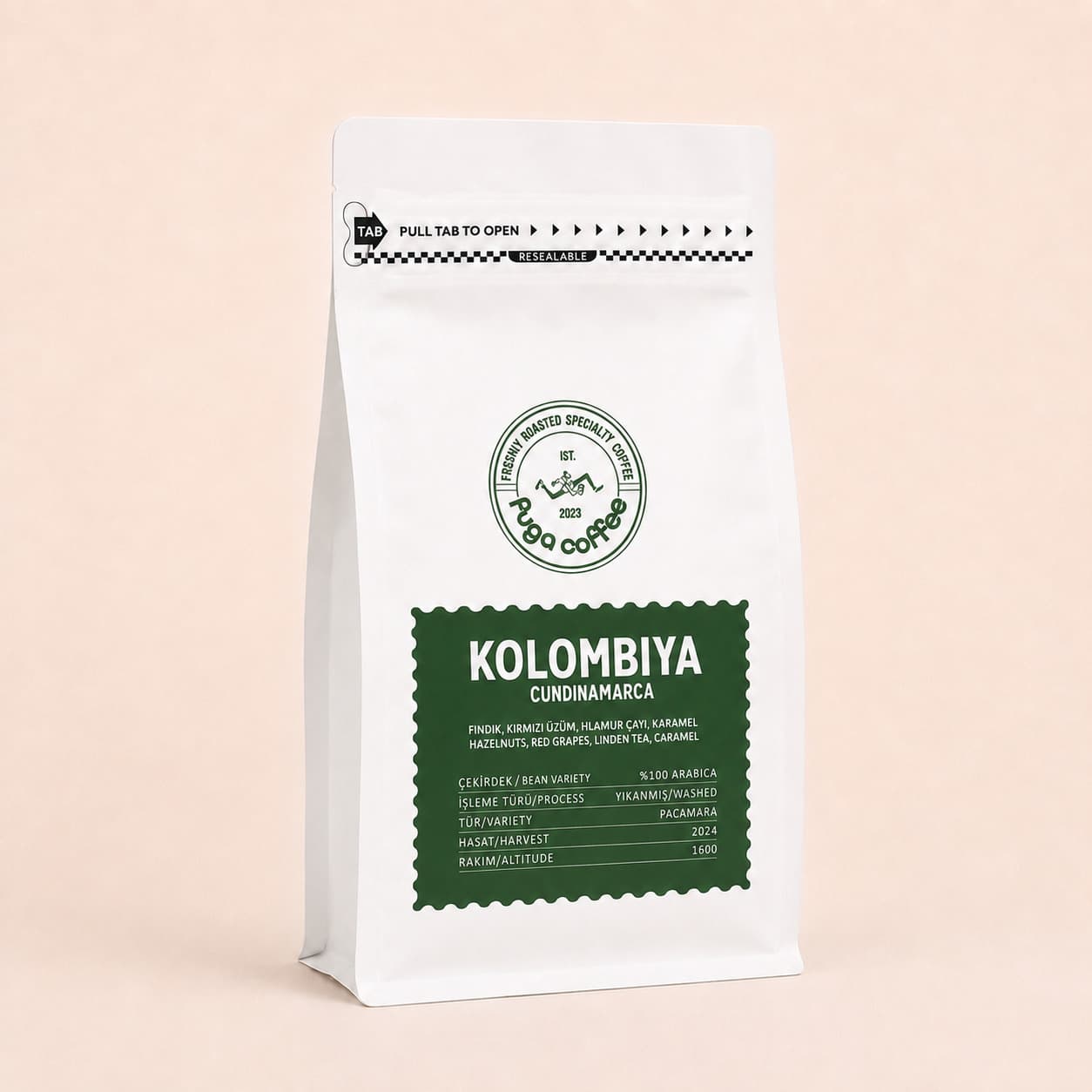
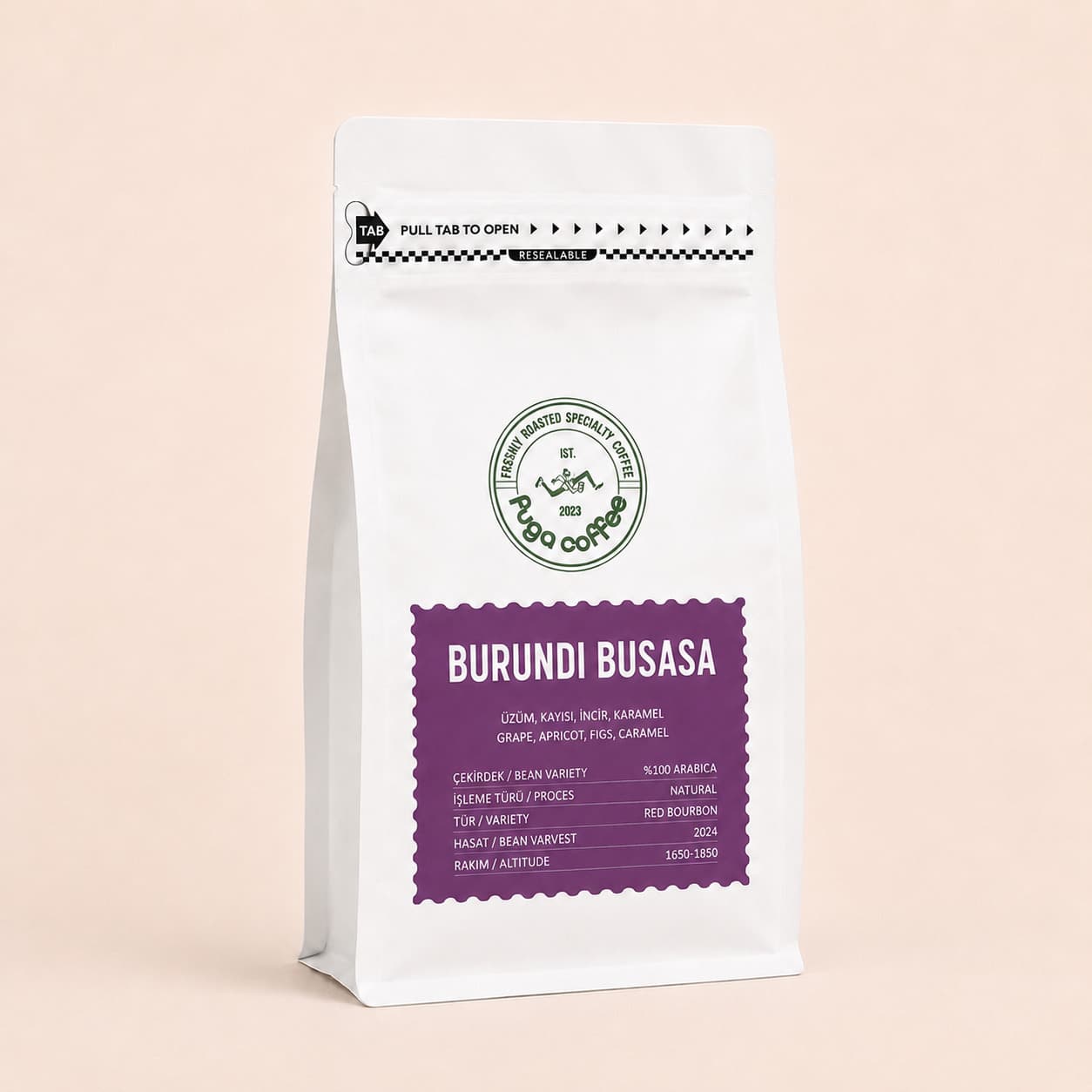
For bean selection, look for profiles with prominent body, natural sweetness, and low acidity. Brazilian, Colombian, and Guatemalan coffees perform beautifully in a French Press. Chocolate, hazelnut, and caramel notes are amplified by the oily, full-bodied texture. Ethiopian beans, with their higher acidity, soften somewhat in this method while still retaining their fruity character.
The greatest advantage of the French Press is its simplicity; the biggest trade-off is the sediment at the bottom of your cup. The metal filter allows micro-fines through, so a slight grittiness in the final sips is normal. To minimize this, use a coarse grind and decant the coffee into a separate vessel immediately after pressing.
Aim for coarse sea salt consistency. A fine grind will produce a muddy, over-extracted, and bitter cup.
Brazilian, Colombian, and Guatemalan beans with low acidity and high body deliver the best results in a French Press.
After 4 minutes, do not leave the coffee sitting in the press. Over-extraction continues and bitter flavors develop. Pour into a serving carafe right away.
“For our French Press roast profiles, we prioritize body and sweetness. A medium-roast Brazilian or Colombian — hazelnut, caramel, and chocolate all layered together — is simply magnificent in this method.”— Fuga Coffee Roasting Team