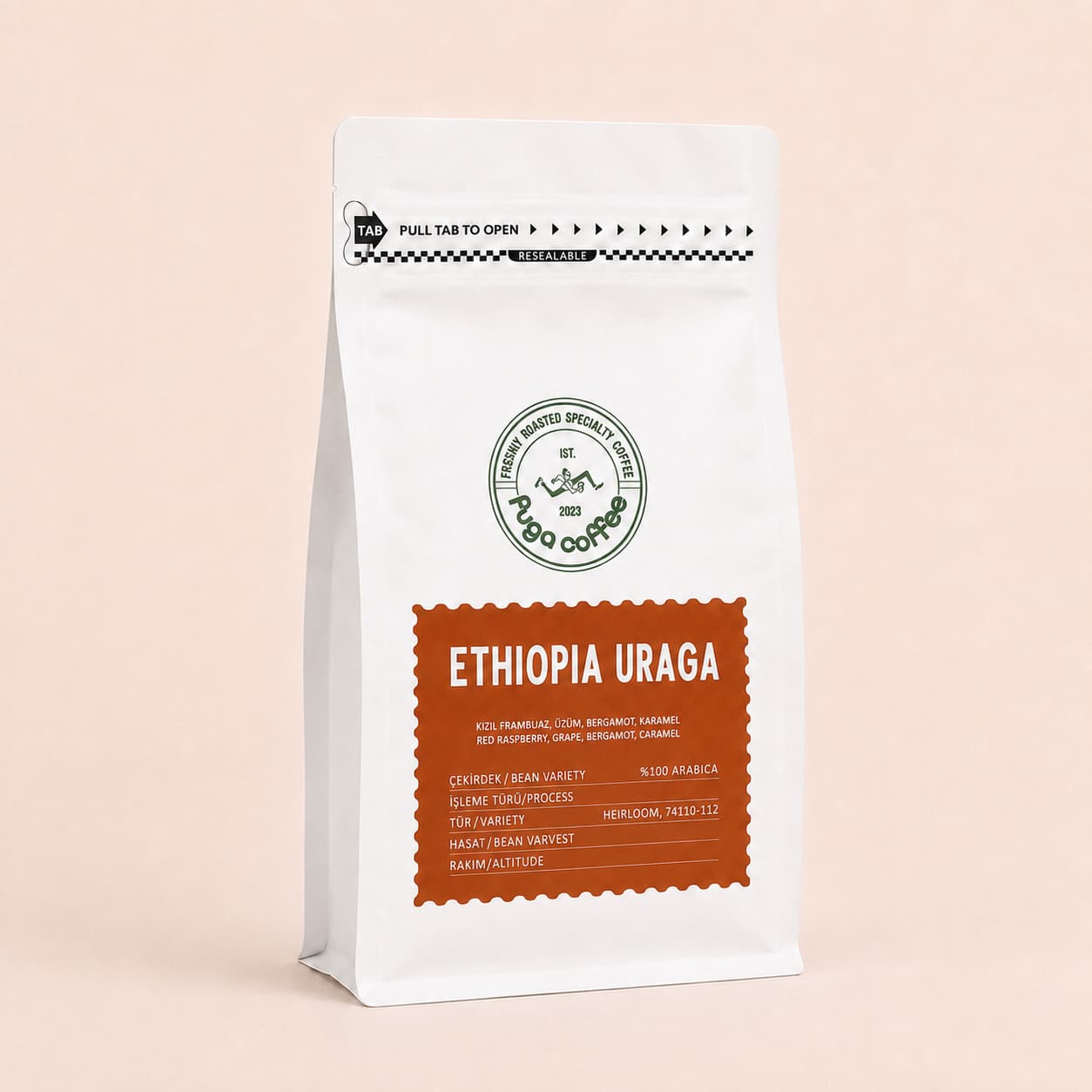
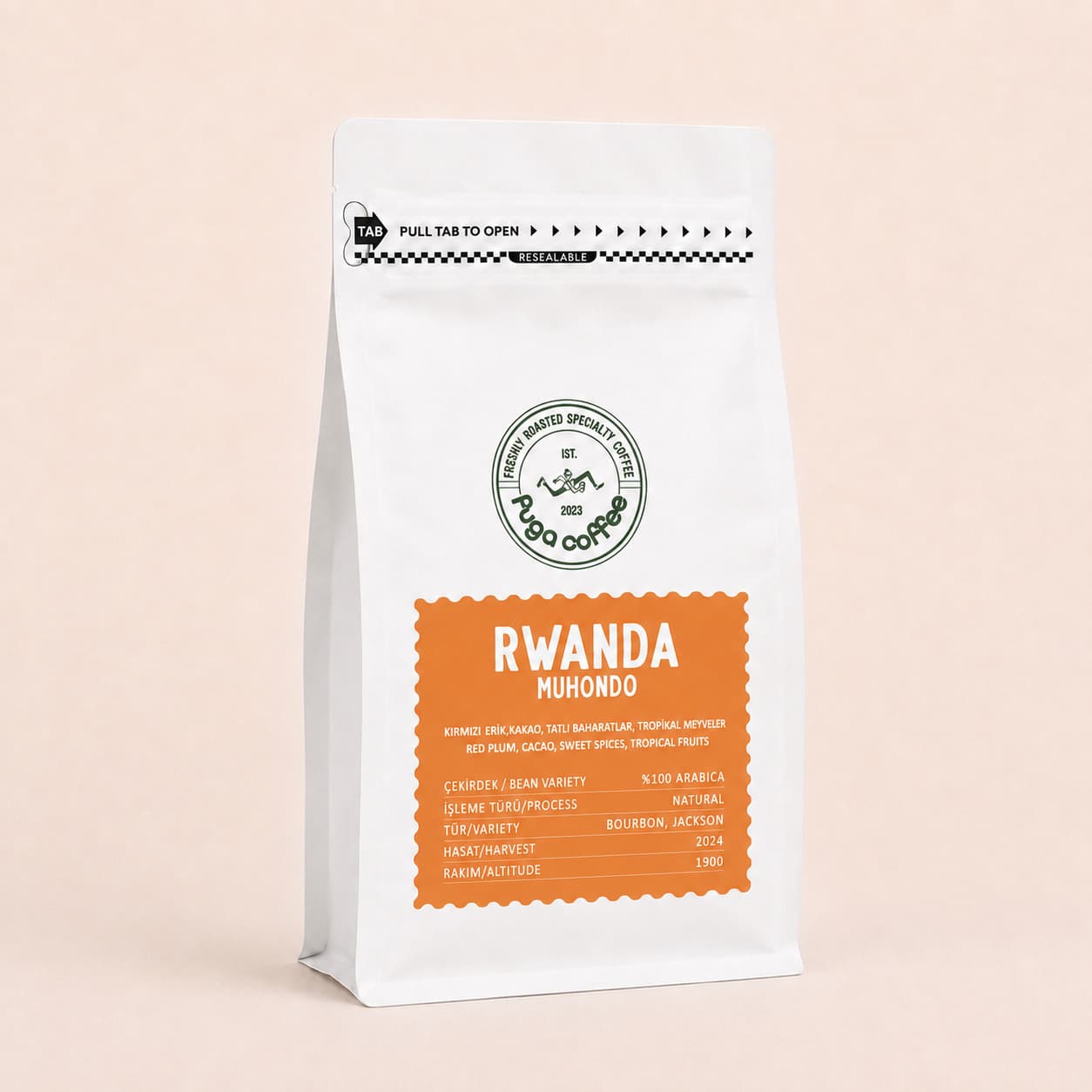
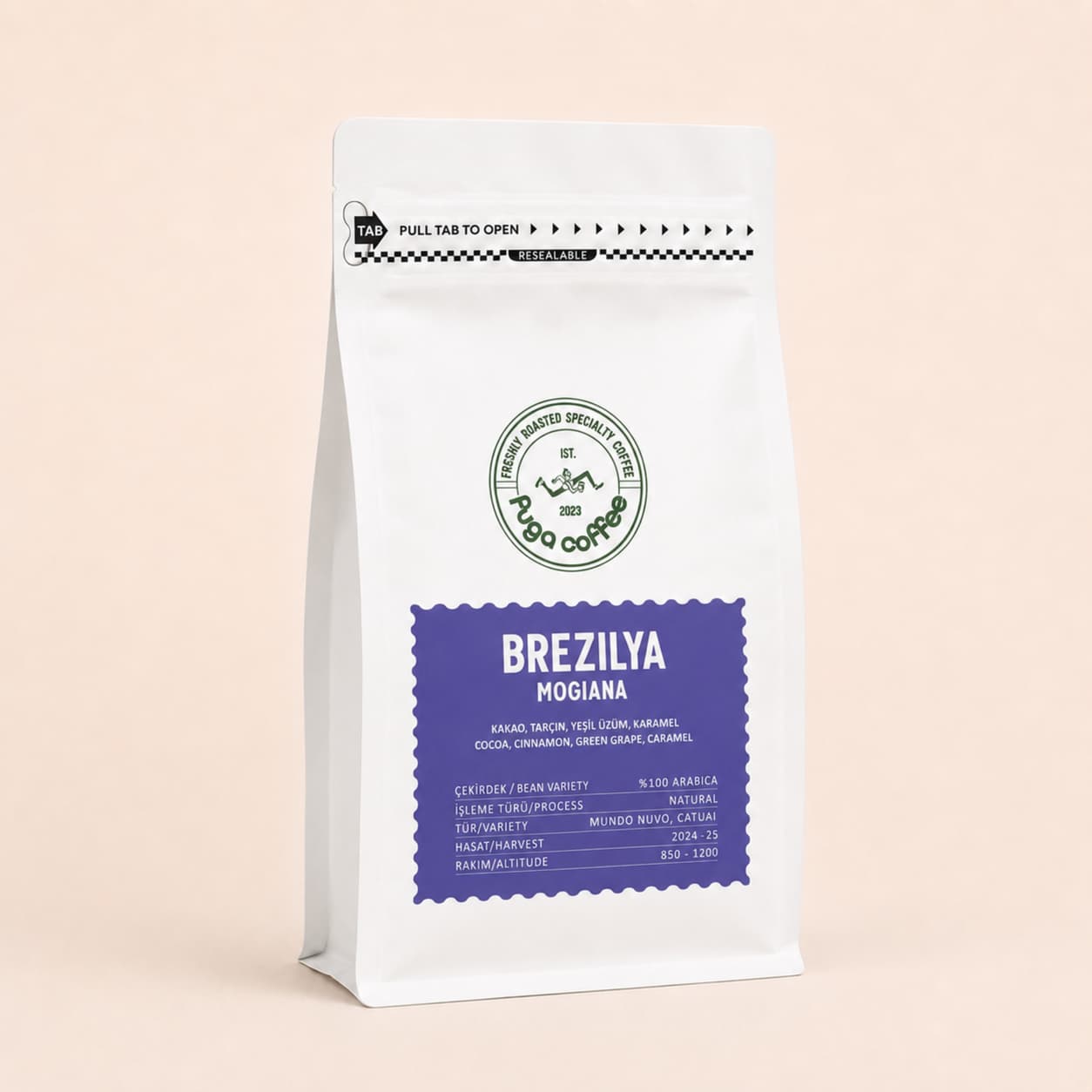
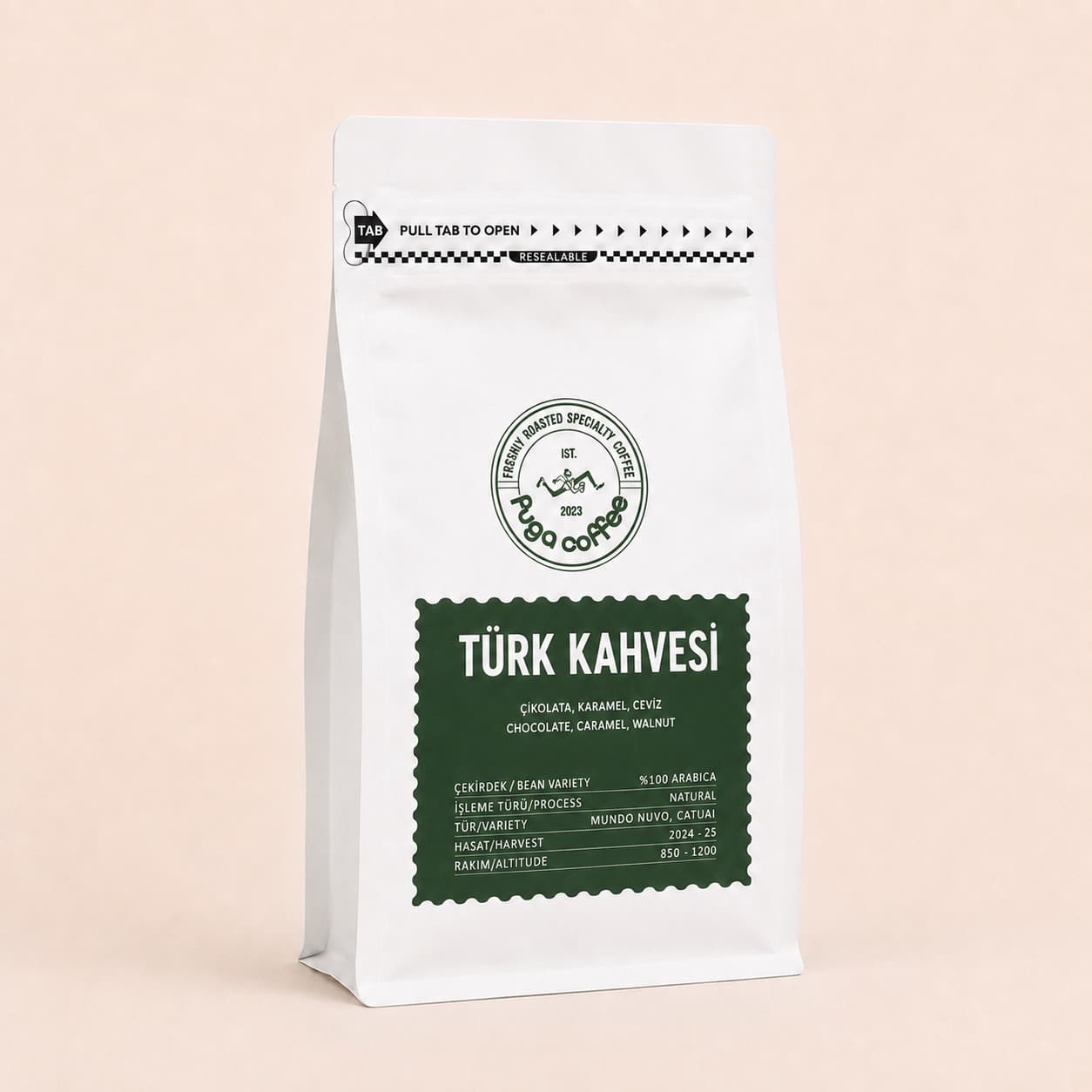
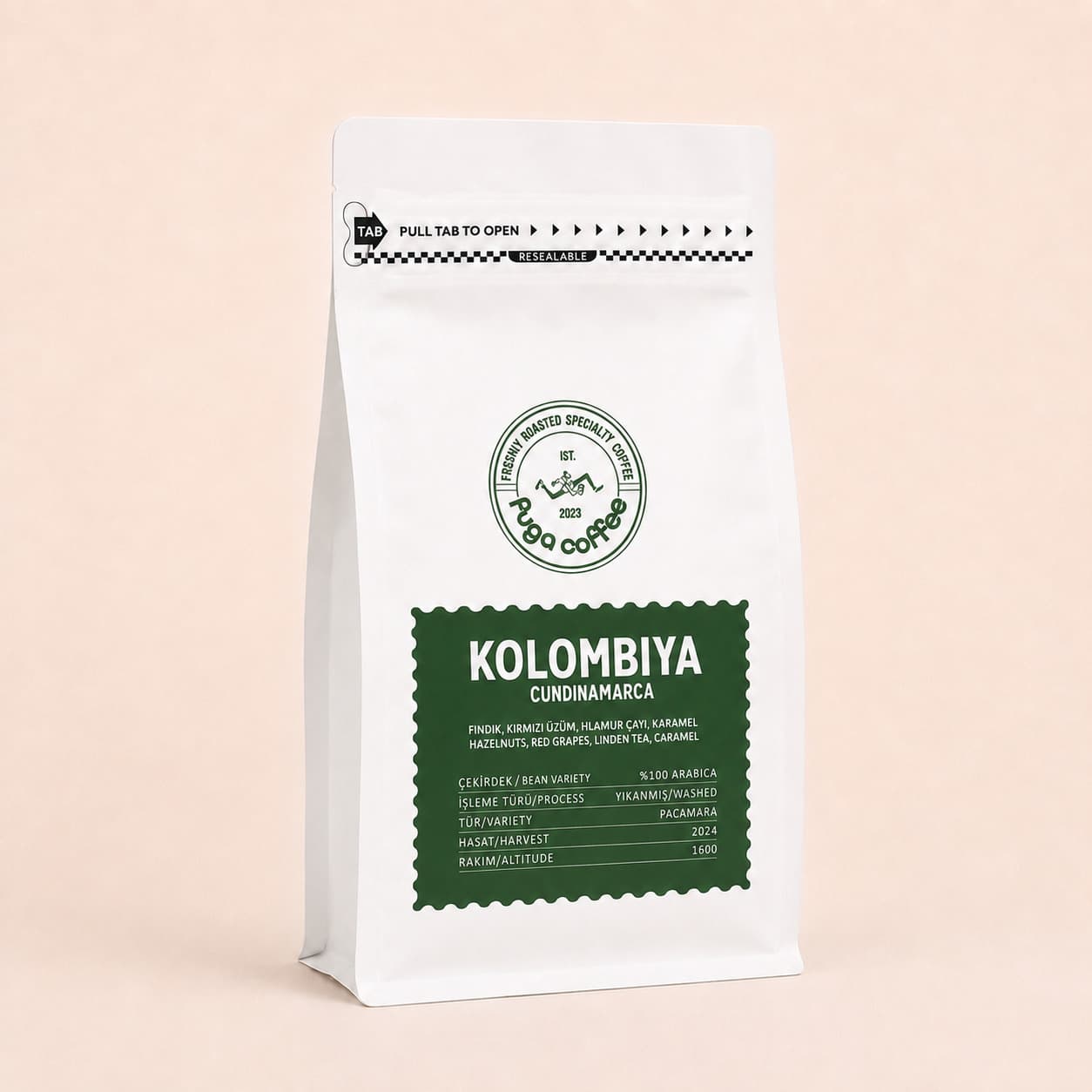
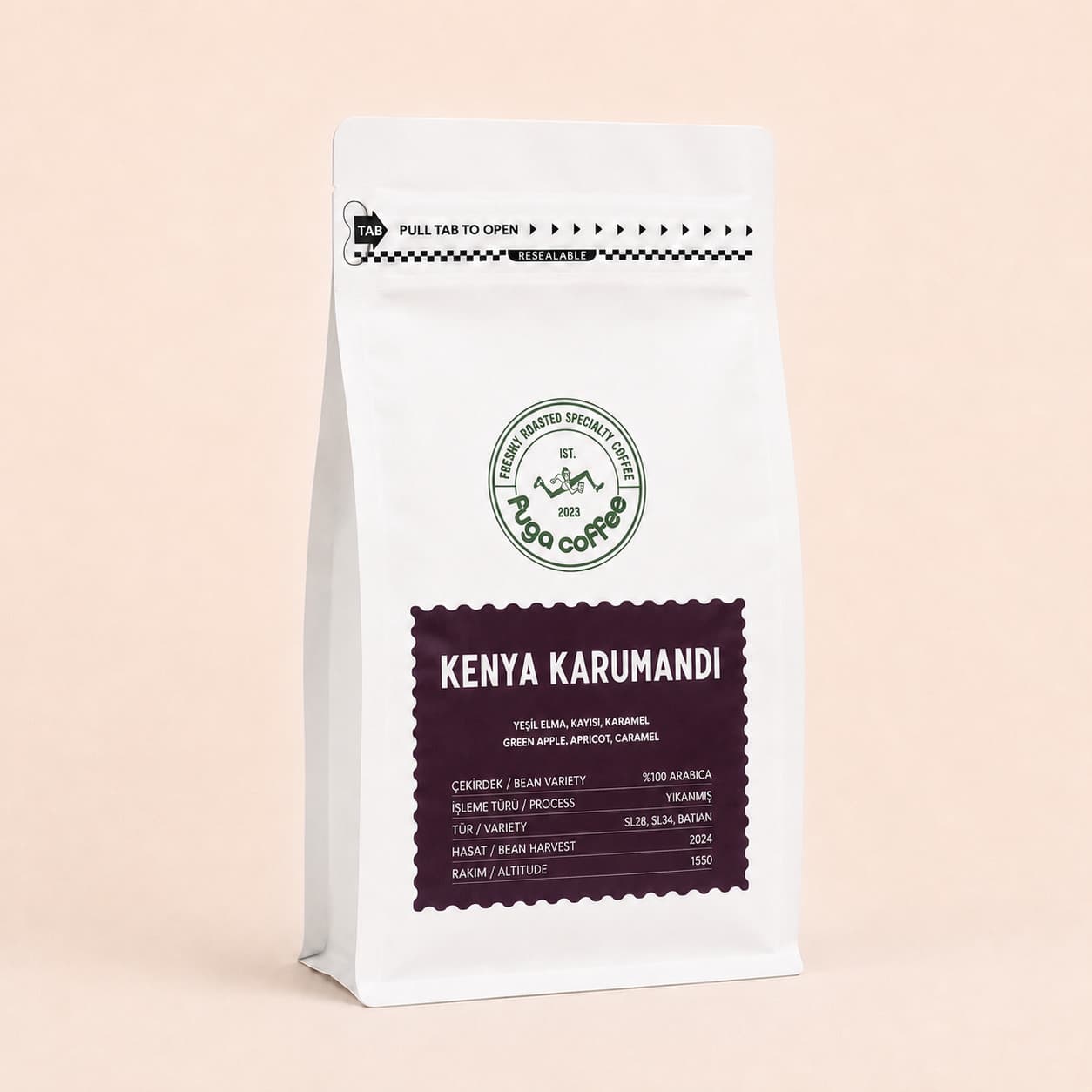
Start with a Colombian or Brazilian origin at a medium roast. The balanced profile of chocolate, caramel, and nutty notes is approachable and enjoyable for newcomers. Once you are comfortable, you can explore Ethiopian and Kenyan coffees for fruitier profiles.
Specialty coffee scores 80+ on the SCA scale and is made from defect-free beans. It is hand-picked from small farms, carefully processed, and freshly roasted. Commercial coffee is mass-produced from lower-quality beans. The price difference reflects quality, labor, and sustainability.
Bitterness usually comes from over-extraction. Try these steps in order: 1) Use a coarser grind, 2) Lower the water temperature to 90-92 degrees, 3) Shorten the brew time, 4) Try a lighter roast. These changes will make your coffee smoother and sweeter.
No, drink your coffee however you enjoy it. However, try specialty coffee black first — in well-roasted coffee, you can discover natural sweetness and complexity. Over time, as your palate develops, you may find you need less milk and sugar. The most important thing is that you enjoy it.
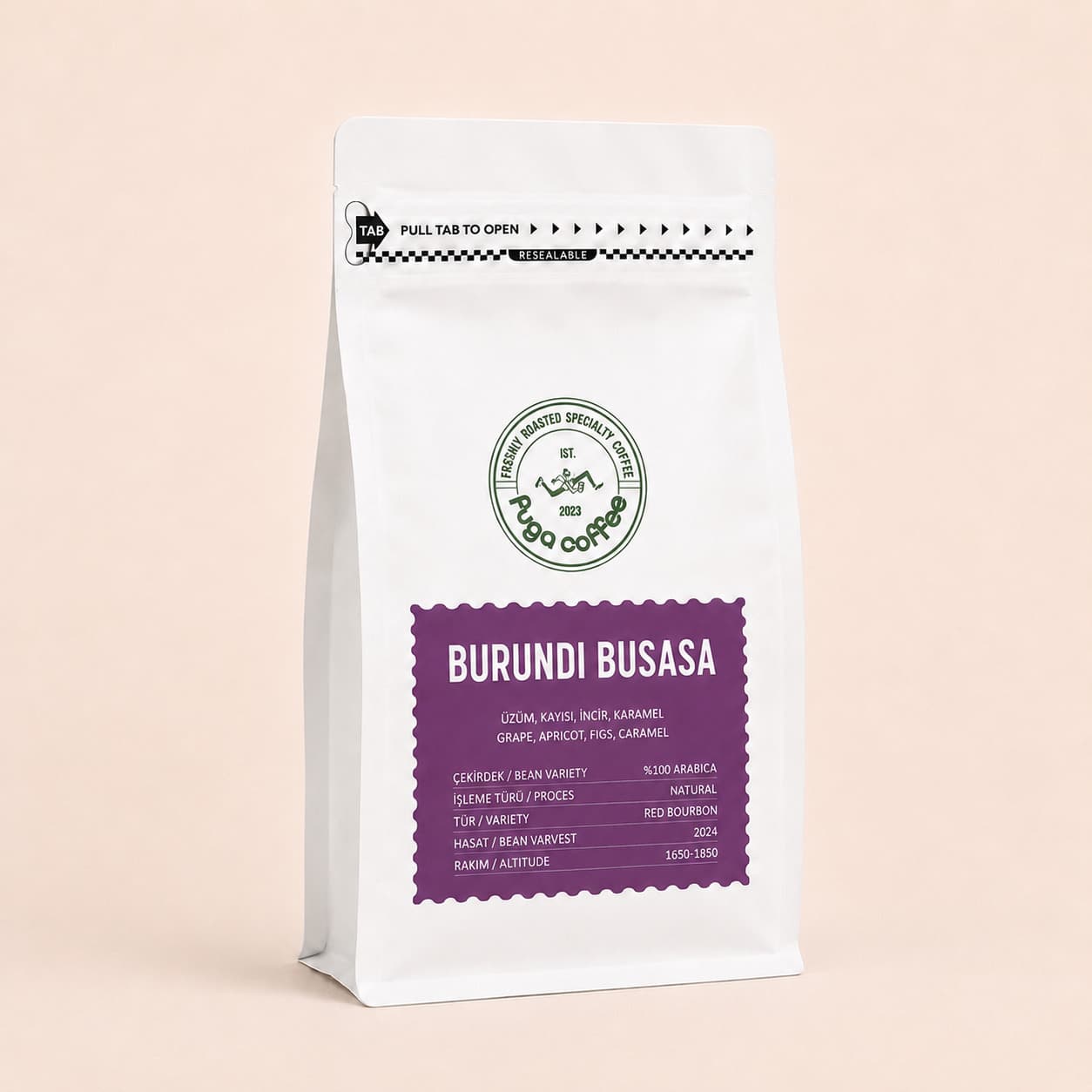
Coffee for beginners is a carefully curated starting point for anyone stepping into the specialty coffee world for the first time. Approachable, forgiving profiles — dominated by chocolate, nut, and caramel sweetness with low acidity — provide the smoothest entry. Medium-roast Brazilian or Colombian beans are the ideal first purchase.
Specialty coffee can seem intimidating at first glance — dozens of origins, processing methods, roast profiles, and brew techniques. But this variety is not a barrier; it is an invitation to explore. The key is finding the right starting point.
For beginners, our recommendation is always the same: start with medium-roast, low-acidity beans that carry familiar tasting notes. A Brazilian or Colombian single origin with chocolate and nut character appeals to virtually everyone. These profiles are closest to what most people think of as classic coffee flavor — satisfying without being challenging.
For brew method, French Press is the most forgiving starting tool. It requires no special technique, is relatively tolerant of grind-size imprecision, and produces a full-bodied, satisfying cup every time. Once you feel comfortable, you can graduate to V60 or Aeropress for greater nuance.
As your palate develops, begin exploring different origins: Ethiopia's fruit-forward profiles, Kenya's bold acidity, Guatemala's warm spice notes. Each new origin opens an entirely new flavor world. But there is no rush — specialty coffee is a marathon, not a sprint.
Low acidity, chocolate, and nut notes — the most accessible and familiar profile. A gentle entrance into specialty coffee.
The most forgiving brew method. No special technique required, uses coarse grind, and delivers a full-bodied cup every time.
Try a different origin or method each week. Take notes. Build your own palate map — the discovery process itself is half the fun.
“There is one rule for getting into specialty coffee: switch from supermarket beans to freshly roasted whole beans. That single change will transform your cup entirely. The rest of the journey unfolds naturally and enjoyably.”— Fuga Coffee Roasting Team